

A journey of a couple to mark a turning point in their lives | A time of silence and faith at Kumano Taisha Shrine in Yamagata
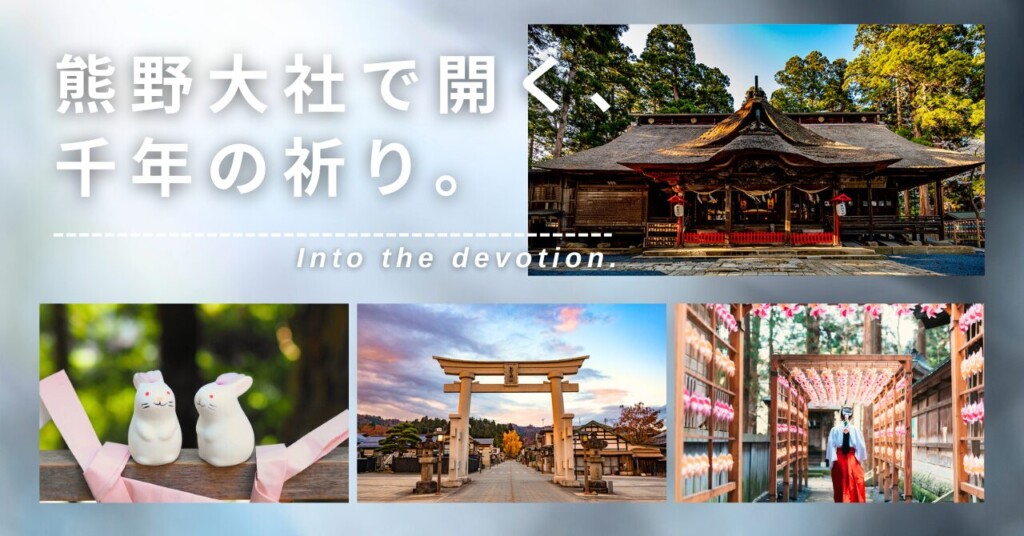
Kumano Taisha Shrine, located in Nanyo City, Yamagata Prefecture, is a prestigious shrine also known as the “Ise Shrine of the Tohoku Region.” Its impressive main hall, boasting over 1,300 years of history, and prayer experiences such as matchmaking and temple seals are also appealing. Spending quiet time together as a couple in the tranquil grounds is the ultimate pleasure of an adult trip. We also provide detailed information on access, nearby hot springs, and sightseeing.
1. Kumano Taisha Shrine: A Must-Visit for Life’s Turning Points | Three Attractions Selected by Couples in Their 50s
1-1. Pray for a turning point in your life at one of Tohoku’s most historic shrines
reference:https://keikan.pref.yamagata.jp/vp_086/
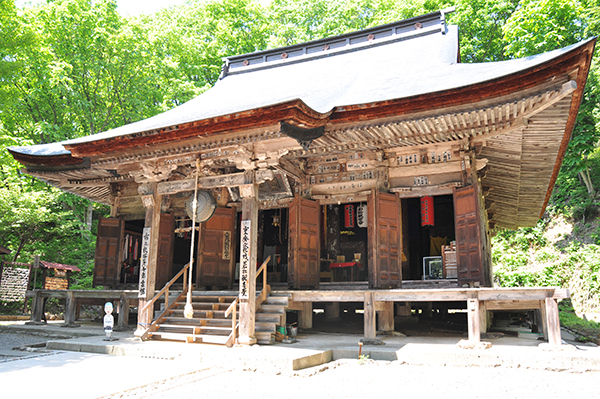
Kumano Taisha Shrine is one of the oldest and most prestigious shrines in the Tohoku region. Visiting as a couple offers a time of prayer befitting a milestone in life.
Kumano Taisha Shrine, believed to have been founded back in the reign of Emperor Yamato Takeru, is one of the Kumano Sanzan shrines in Nanyo City, Yamagata Prefecture. Even among the Kumano shrines scattered across Japan, it is particularly prestigious, earning it the nickname “the Ise Shrine of the Tohoku region.” Its blessings, such as longevity, family harmony, and good health, resonate deeply with middle-aged and older couples.
The worship hall enshrines the husband and wife deities Izanagi-no-Mikoto and Izanami-no-Mikoto, and it is said that couples who visit together will rekindle their bond. With a “Hatsumode” (first visit of the year) held in January and a “Reitaisai” (annual festival) in October each year, the shrine has become a center of faith for the local people. According to the Nanyo City Tourism Association, Kumano Taisha is also counted among the “Three Great Kumano Shrines of Japan.”
Praying at this shrine to a married couple of deities that has existed since the Age of the Gods, marking a turning point in life, will be an irreplaceable moment for couples in their 50s and older, connecting their past journeys with their future.
1-2. A moment of tranquility and healing within the grounds of Kumano Taisha Shrine

reference:https://kumano-taisha.or.jp/kamisama/
The grounds of Kumano Taisha Shrine are a sacred place of healing, perfect for reconnecting with the soul.
The grounds are surrounded by vast nature, with paths lined with lush cedar trees and tranquil spaces offering seasonal views. Unlike commercialized tourist destinations, the grounds are free of unnecessary decorations and noise, allowing visitors to focus on their own breathing.
In spring, plum and cherry blossoms bloom, and in autumn, the vibrant foliage delights visitors. If you visit early in the morning, you may be able to witness the quiet moment when a priest prepares the altar. The sounds of birdsong and rustling leaves are soothing to the soul. Benches and seating are provided throughout, making it ideal for couples to stop and chat.
The grounds of Kumano Taisha Shrine, surrounded by nature and history, are a precious space for rediscovering inner tranquility. It offers the ideal time and place for couples to spend time together.
1-3. The charm of Kumano Taisha Shrine: avoiding the crowds and experiencing the real thing

reference:https://keikan.pref.yamagata.jp/vp_086/
Kumano Taisha Shrine may not be well-known nationwide, but that’s precisely why it’s a hidden gem, perfect for adult travelers seeking authenticity.
Without flashy tourist attractions or crowds, this space, steeped in pure faith and history, offers a quiet luxury that can only be enjoyed now as you age. This shrine is the perfect choice for middle-aged and older couples who value a space where they can relax and unwind, rather than a place teeming with tourists.
The Inari Shrine, Three Rabbits, and Gift Shop within the shrine grounds may not be flashy, but they are carefully maintained and evoke a culture of prayer. Legend has it that finding all three rabbits will grant your wish, making it a fun place for couples to search for them together. The Kumano Chaya café serves Japanese sweets made with local ingredients, making it the perfect place for a break between sightseeing.
Kumano Taisha Shrine, untouched by overly touristy attractions, is an ideal authentic destination for couples seeking a quiet, authentic experience.
2. The history and appeal of faith at Kumano Taisha Shrine | Learn more about this historic shrine
2-1. Tracing the 1,300-year history of Kumano Taisha, the head shrine of the Dewa Sankumano region

reference:https://kumano-taisha.or.jp/kamisama/
Kumano Taisha Shrine is the center of Kumano worship in the Tohoku region and the head shrine of the “Three Kumanos of Dewa,” a region steeped in over 1,300 years of history. It’s a place that resonates deeply with history-loving couples.
Kumano Taisha Shrine is said to have been founded in 712, with roots said to date back to the mythical reign of Emperor Yamato Takeru. It developed as a Tohoku hub of worship for the Kumano Sanzan shrines on the Kii Peninsula and once wielded influence throughout Dewa Province. Known as “Kumanosan Sansho Daigongen” in the Middle Ages, it was widely revered by samurai and commoners alike as a majestic space of worship.
The current main hall was rebuilt during the Genroku period (late 17th century) in the mid-Edo period, and its structure and decoration reflect the architectural techniques of the time. The “nagare-zukuri” roof style, a traditional style of shrine architecture, features a long, overhanging roof. This allows worshippers to pray while sheltering from the elements.
According to the shrine’s legend, it has never experienced fire since its founding, making it a rare place that preserves ancient faith to this day.
Kumano Taisha, which boasts a long history, is a mysterious space where historical fact and myth overlap. As a journey connecting the past and the present, it is a sacred place perfect for couples who love history.
2-2. Enjoy the sculptures and architectural beauty of Kumano Taisha Shrine | A guide to the highlights where you can also enjoy searching for the three rabbits

reference:https://yamap.com/activities/23578555/article
The shrine buildings of Kumano Taisha Shrine are a space where you can experience the architectural beauty that brings together the finest techniques of the mid-Edo period and the “joy of worship” filled with elegant craftsmanship.
The main hall and worship hall are constructed to harmonize the stately presence of wood with the decorative features unique to shrine architecture, and Edo-period craftsmanship is particularly evident in features such as the “frog-leg” (kaerumata) and “carved transom” (chokoku-ranma) windows. The carvings feature themes of mythology, nature, and animals, and are worth viewing alone.
A famous attraction of Kumano Taisha Shrine is the “three rabbits” hidden among the carvings behind the main hall. Legend has it that finding all three will grant a wish, so searching for them together as a couple can be a fun “cultural experience.” The composition, which naturally sparks conversation while gazing up at the architecture, is extremely appealing for middle-aged and older couples who love shrines and temples.
There are also many highlights scattered throughout the shrine, from the onigawara roof tiles, to the lion statues in front of the worship hall, and even the guardian deities on either side of the Zuijinmon Gate, making it feel like you’re in an exhibition hall of history and art.
More than just a place of worship, Kumano Taisha is full of joy to see and joy to explore. This space, where architecture, crafts, and traditions blend together, is an exceptional spot that will add color to any trip for discerning adults.
2-3. Kumano faith rooted in Yamagata | Kumano Taisha Shrine, one of Japan’s three major Kumano shrines

reference:https://www.the-kansai-guide.com/ja/article/item/20037/
Kumano Taisha, one of the “Three Great Kumano Shrines of Japan,” serves as a hub for Kumano faith in the Tohoku region. Its exceptional status among the nation’s Kumano shrines makes a visit even more meaningful.
Across Japan, there are numerous branch shrines that trace their roots to the Kumano Sanzan, including Kumano Hongu Taisha in Wakayama Prefecture. Among these, Kumano Taisha (Yamagata), Kumano Hongu Taisha (Wakayama), and Nachi Taisha (some theories include Ina Kumano Shrine in Wakayama or Nagano Prefecture) are known as the “Three Great Kumano Shrines of Japan,” and each has served as a center of Kumano faith in its region.
In the Tohoku region’s pilgrimage culture, Kumano Taisha served as the “northern terminus” and was an important place where pilgrims from all over eastern Japan gathered. Especially from the Middle Ages to the Edo period, it was also a popular destination for commoners on “Okage Mairi” (pilgrimages to the gods), and it was known as a “spiritual pilgrimage site” alongside Dewa Sanzan and Mogami Thirty-three Kannon temples.
Even today, the faith, deeply rooted in the region, continues to be passed down through monthly festivals and other annual events. The official website also explains the shrine’s traditions and significance.
Kumano Taisha is a sacred place that can be called the “northern pillar” that connects Kumano faith throughout the country. The more you learn about its cultural background, the deeper and more sacred the meaning of a visit as a couple will become.
3. Experience the tranquility and healing within the grounds of Kumano Taisha Shrine | Reasons to visit at turning points in your life
3-1. Walking along the approach to Kumano Taisha Shrine | A path of prayer led by cedar trees and moss-covered cobblestones

reference:https://keikan.pref.yamagata.jp/vp_086/
The approach to Kumano Taisha Shrine is a mystical space surrounded by cedar groves and moss-covered cobblestones, leading the mind and body from the everyday to prayer.
The act of walking along the approach to Kumano Taisha Shrine is itself a time of spiritual preparation. In the silence surrounded by greenery, the senses are cleared and couples’ conversations naturally become calmer. The path lined with cedar trees that are hundreds of years old gives the feeling of stepping back in time.
Many people feel the air change as they pass through the Zuijinmon Gate immediately after entering the shrine grounds. The approach beyond is paved with moss-covered cobblestones, and the green shines even more vividly after rain. The golden color of fallen leaves in autumn and pale cherry blossoms in spring add color, revealing different faces with each season.
The more you walk, the more your mind becomes at peace, and your vision and consciousness become saturated with holiness. The approach to Kumano Taisha Shrine is a “path of prayer” where you can savor the silence.
3-2. The healing water and greenery flowing within the grounds | A time for couples to calm their minds at Kumano Taisha Shrine

reference:https://hanako.tokyo/travel/282259/
The grounds of Kumano Taisha Shrine are a soothing space where the sound of flowing water and lush vegetation blend in harmony, making it the perfect place for couples to spend time together.
In addition to the main shrine and worship hall, a stream flows through the grounds and koi carp swim in the pond, creating a sacred atmosphere with the warmth of nature. The shrine is designed to provide both visual and auditory elements that will free your mind, making it ideal for a relaxing time.
Take time to purify yourself while listening to the clear sound of the water at the chozuya (water purification fountain). Wooden benches are set up around the pond, and many couples can be seen taking a break while watching the koi swimming. From spring to early summer, the fresh greenery is dazzling, and in autumn, the autumn leaves are reflected on the pond’s surface, creating a beautiful sight.
The grounds of Kumano Taisha Shrine offer a sense of purity for the eyes, ears, and skin. This space, where conversations with nature take place, quietly deepens the bond between couples.
3-3. A moment of tranquility to soothe your mind while listening to the chirping of birds and enjoying the sunlight filtering through the trees
reference:https://nyanta2030.blog.fc2.com/blog-entry-4277.html
Amid the silence and sunlight filtering through the trees at Kumano Taisha, your mind will naturally unwind, creating time for couples to share the “luxury of doing nothing.”
While travel plans tend to be packed, it’s actually worth stopping at this shrine. The grounds are enveloped in profound silence, and the sounds of the trees swaying in the breeze and the birdsong will soothe your soul.
The grounds are equipped with a small gazebo and seating areas on the edge of the stone steps, allowing you to unhurriedly enjoy “time with the scenery.” Turn off your smartphone and simply take a deep breath beneath the dappled sunlight—such a moment on your trip will become a lasting memory.
Kumano Taisha is especially quiet in the early morning, and visiting in the clear air has been described as “soul-cleansing.”
Kumano Taisha is a place not just to “see” but also to “feel.” Quiet time spent together in silence will bring inner space and enrichment.
4. Deepen your bond with your spouse through the Kumano Taisha Shrine stamp, matchmaking, and three rabbit experiences
4-1.Kumano Taisha Shrine Goshuin Experience | Record your travels and connections in a tangible form
reference:https://ameblo.jp/gadytakada/entry-12806280834.html
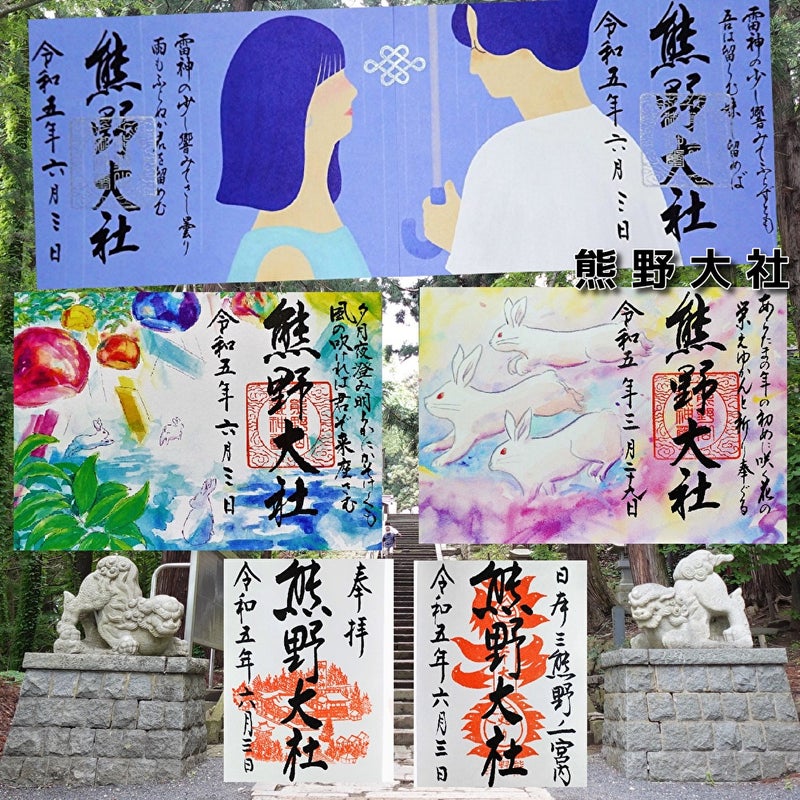
The goshuin stamps at Kumano Taisha Shrine are a tangible reminder of a couple’s journey, a symbol of their bond, imbued with history and faith.
Goshuin are temple and shrine seals, originally derived from the phrase “proof of submitting a copy of a sutra.” Unlike a simple stamp rally, they signify a spiritual connection with the gods and Buddhas. At Kumano Taisha Shrine, the stamps are engraved with elegant ink inscriptions befitting the majestic shrine buildings, making them a valuable piece of writing even for history-loving couples.
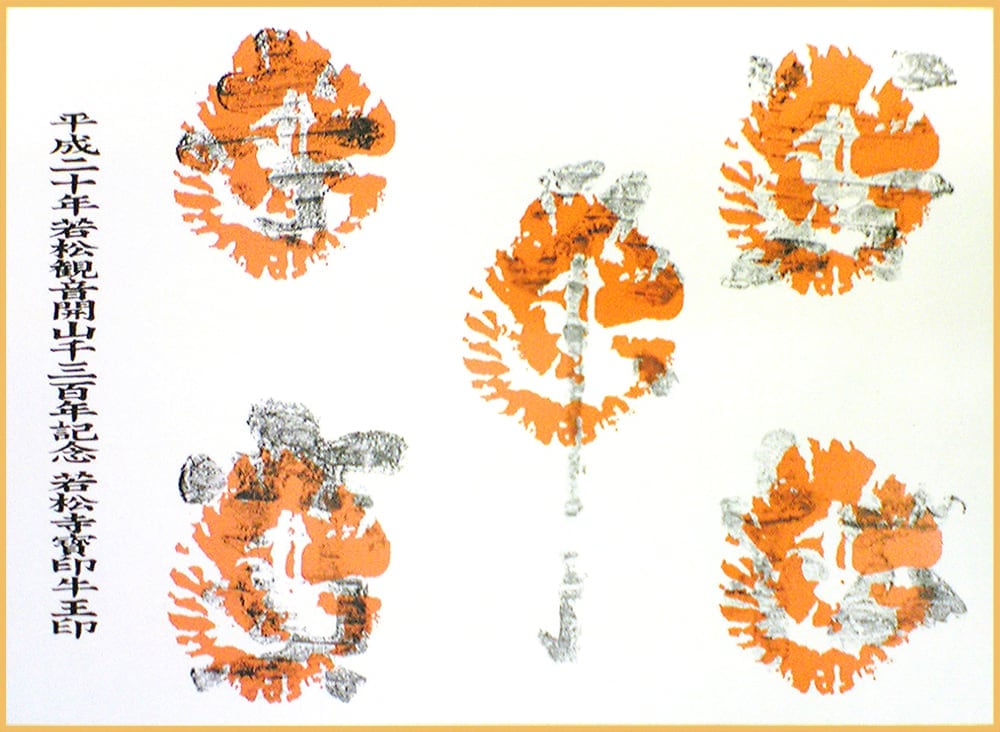
By presenting your goshuin book at the gift shop located just beside the main hall, you can receive a goshuin stamp with the name “Kumano Daigongen” written in ink on the spot. In recent years, goshuin books with seasonal designs and those featuring the auspicious “three rabbits” have also been introduced, adding to the special feeling.
Goshuin stamps, where faith and culture intertwine, are more than just a record of a journey; they are a “memory of the heart.” The joy of collecting one book each as a couple is also a fitting physical gesture for milestones in life.験です。
4-2. Searching for the Three Rabbits | Experience the blessings of the legends of Kumano Taisha Shrine

reference:https://marianmemo.exblog.jp/243156831/
The “Three Rabbits” hidden within the grounds of Kumano Taisha Shrine are a symbol of romance and tradition, and it’s said that couples who search for them together will bring good fortune.
The three rabbits are discreetly carved into a sculpture behind the main hall, and legend has it that anyone who finds all three will have their wish granted. The process of leisurely searching for them in between prayers can also be a collaborative effort between couples, helping to bring them closer together.
While the first rabbit is in a fairly obvious location, the remaining two are cleverly hidden among the building’s decorations, and require careful observation to find. Spending time searching together, asking each other questions like “Is that it?” and “Isn’t it here?”, adds a touch of smiles to the tranquil grounds.
More than just a search, searching for the three rabbits is an experience of working together while experiencing tradition – the search for the three rabbits may just be the start of a new bond between couples.
4-3. Kagura and Annual Events at Kumano Taisha Shrine | Local Faith and Culture Revealed through Festivals

reference:https://kumano-taisha.or.jp/news/2022/05/1675/
At Kumano Taisha Shrine, you can experience the local spiritual culture and “life with the gods” through annual events and kagura performances.
More than just a tourist destination, Kumano Taisha Shrine is the center of religious life for local residents. At the annual Reitaisai and Setsubun festivals, priests and parishioners dress in traditional attire and perform ancient rituals. Attending these events as a couple goes beyond mere tourism, placing you at a cultural “crossroads.”
At the Reitaisai (May), performances such as the “Urayasu Dance” and “Kagura” are offered within the shrine grounds, and the sound of kagura bells, passed down since ancient times, is a soothing experience. Many visitors also flock to the shrine during the New Year’s holiday and Setsubun, where they can experience events such as receiving amulets and participating in fire-walking rituals. It’s easy to interact with local residents, and many visitors say, “I used to be brought here by my parents.”
By experiencing traditional events where gods and humans live together, your trip evolves from “viewing” to “participating.” At Kumano Taisha Shrine, you can experience the Japanese spiritual culture that supports the lives of couples.
5. Access to Kumano Taisha Shrine and the Visiting Process | A safe guide for senior couples
5-1. Traveling to Kumano Taisha Shrine by car is recommended | How to rent a car from Akayu Station
The most convenient way to visit Kumano Taisha Shrine is by car or rental car. This flexible schedule and the ability to stop by tourist spots along the way make it ideal for experienced couples, as well as couples in their 50s and older who are concerned about transportation.
Free visitor parking is available near the shrine grounds, so simply enter “Kumano Taisha (Takabatake Town)” into your navigation system for easy access. Large vehicles are also permitted, and bus and emergency taxi services are also available.
If using public transportation, JR Akayu Station or JR Nanyo Station are the closest. There are several rental car locations (Toyota Rent-a-Car, Nippon Rent-a-Car, etc.) especially around Akayu Station, allowing for a smooth start to your trip by combining train and rental car. (The exit is right in front of the car, so you won’t get lost.) It’s approximately a 20-minute drive from Akayu Station to Kumano Taisha Shrine.
If taking a taxi, the ride from JR Nanyo Station is approximately 10 minutes, with a fare of around 1,500 to 2,000 yen. However, please note that Takahata Town buses run infrequently, so please check in advance if you wish to use them.
For generations who are anxious about travel, it is especially important to choose a stress-free mode of transportation. By renting a car, you can enjoy a relaxing and enjoyable “trip just for the couple.”
📌 Frequently Asked Questions | Access and Visiting Kumano Taisha Shrine
Q1. What is the nearest station to Kumano Taisha Shrine?
→ JR Akayu Station is the closest. There are several rental car companies at Akayu Station, making sightseeing by train and car easy.
Q2. Is there a parking lot at Kumano Taisha Shrine?
→ Yes. There is free parking for visitors, and you can drive right up to the main shrine.
Q3. Is it possible to get there by taxi?
→ It’s about a 10-minute taxi ride from JR Nanyo Station, costing around 1,500 to 2,000 yen one way. There are also taxis available in front of the station.
Q4. Are there any rental car companies near Akayu Station?
→ Yes. Companies like Toyota Rent-a-Car Akayu and Nippon Rent-a-Car Akayu Office offer easy rentals with advance reservations.
Q5. Can I walk to Kumano Taisha Shrine?
→ Because it’s far from the nearest station, walking isn’t very practical. Using a car or taxi is recommended.
Nanyo City also has many hot spring resorts and many inns available for accommodation.
If you’re looking for a special trip, we also recommend the Yamagataza Takinami Ryokan. We’ve also written an article about Takinami’s annex, the high-end Osteria Sincerita, so be sure to check it out.
5-2. Easy walking along the approach to Kumano Taisha Shrine and rest areas | A safe environment for seniors

reference:https://www.lafran.net/gurume048/
The grounds of Kumano Taisha Shrine are reasonably spacious, with benches and gazebos scattered throughout for a relaxing rest.
The barrier-free approach to the shrine makes it easy to walk around or pray, and there are seating spaces scattered throughout, making it a friendly design for older travelers as well.
The approach to Kumano Taisha Shrine is relatively gentle, with non-slip paving. Benches and gazebos are located next to the shrine office, near the temizuya (purification fountain), and on the way to Inari Shrine in the back, where you can take a breather in the dappled sunlight filtering through the trees. They provide shade in the summer and protection from the snow in the winter, making for a comfortable stroll whatever the season.
Kumano Taisha Shrine’s easy walking path and plenty of seating are ideal for those who aren’t comfortable with long journeys, making it a comfortable place to visit both physically and mentally.
5-3. Clothing and seasonal advice for a comfortable visit to Kumano Taisha Shrine
When visiting Kumano Taisha Shrine, making preparations that take into account seasonal weather changes is key to increasing your satisfaction with your trip.
Located in the Yamagata Basin, Takahata Town experiences large temperature differences between the four seasons, and neglecting to prepare your clothing and footwear can lead to exhaustion. The temperature difference is particularly drastic between spring and autumn, and snow protection is essential in winter.
In spring (March-April), snow may remain on the shrine grounds, so waterproof shoes are recommended. In summer (July-August), a hat and plenty of fluids are essential to prevent heatstroke. While the autumn foliage is beautiful, bring a light jacket to protect against chilly mornings and evenings. In winter (December-February), snow accumulation can make the shrine slippery, so cleats, boots, and warm clothing are essential. Even if the shrine office is open, the worship hall may be covered in snow at times. We recommend checking the Kumano Taisha Shrine website in advance.
Seasonal preparations are key to a safe and secure visit. Enjoy Kumano Taisha Shrine in a relaxed atmosphere with comfortable clothing and equipment.
6.Enjoy sightseeing in the surrounding area along with Kumano Taisha Shrine | Takahata Winery, hot springs, and local cuisine
6-1. A must-visit in conjunction with Kumano Taisha Shrine | Experience the local culture at Takahata Winery
This article also introduces it as a winery that the whole family can enjoy.
Takahata Winery, located about a 10-minute drive from Kumano Taisha Shrine, is a perfect spot for a quiet, sophisticated trip, where you can enjoy the flavors and culture of Yamagata.
After visiting a shrine steeped in history and tradition, savoring wines nurtured in the same local climate adds depth to your journey. Takahata Town is known for its high-quality grapes, thanks to its long hours of sunshine and large temperature differences between day and night.
Takahata Winery is a community-based winery founded in 1990, and features a tasting corner, cafe, and gift shop on-site. The popular “Yoshi Sparkling” series is easy to drink, making it the perfect place for couples to chat over a glass. The brick building, reminiscent of a European wine cellar, creates a photogenic space. You can also enjoy sweets made with local fruits at the adjacent Takahata Gelato.
With the lingering feeling of faith still lingering, you can enjoy the blessings of the land with all your senses. Takahata Winery is a relaxing spot for adults that is perfect to visit together with Kumano Taisha Shrine.
6-2. Refresh with a foot bath and hot spring at Takahata Town Taiyokan | A relaxing spot after visiting the shrine

reference:https://familio-folkloro.com/takahata/facilities/
Taiyokan, a hot spring facility adjacent to JR Takahata Station, is the perfect place to unwind after a long day of travel. Despite its proximity to the station, you can enjoy its famous free-flowing hot springs.
For couples over 50, combining sightseeing with a hot spring is the perfect way to rejuvenate both body and mind. Its convenient access makes it ideal for a stop between trips.
Taiyokan’s hot springs are 100% source-source sodium chloride strong salt springs, offering excellent heat retention and moisturizing properties, making them ideal for those struggling with muscle fatigue and chills. In addition to separate indoor baths for men and women, the free footbath is also popular, making it a convenient place to relax. It’s conveniently located so you can stop by while waiting for the Shinkansen, making it easy to incorporate into your sightseeing route. It also offers accommodation, so we recommend staying overnight.
After a visit to Kumano Taisha Shrine, wrap up your day in a soothing bath—Taiyokan is a wonderful supporting role that gently adds to your relaxation.
6-3. Visiting Takahata Town Local History Museum | Enjoy learning about history along with visiting Kumano Taisha Shrine

reference:https://www.jalan.net/kankou/spt_06381cc3290032941/spot/
The Takahata Town Local History Museum is the perfect place to learn about the cultural background of Kumano Taisha Shrine and Takahata. It’s especially recommended for history-loving couples.
Transforming your travels from simply viewing to deeply understanding the scenery will make your travel memories more vivid and valuable.
Utilizing the former Takahata Station building, the museum features a wide range of exhibits, from the lifestyles of people dating back to the Jomon period, the religious background of Kumano Taisha Shrine, and the history of Takahata’s railway and wine industries. The carefully preserved old folk tools and documents make it feel like you’re traveling back in time. The explanations within the museum are easy to read, and a tour of the exhibits takes about 30 to 45 minutes. The building itself has a retro charm, and many visitors are seen with their cameras at the ready.
“Learning makes you love the place even more”—the local history museum offers such learning opportunities, making it perfect for couples who want to experience the world of Kumano Taisha Shrine more deeply.
7. Frequently Asked Questions | Helpful Q&A for planning your trip to Kumano Taisha Shrine
Q. What are the benefits of Kumano Taisha?
→ It is famous for matchmaking, marital harmony, and safe childbirth. It is said to be “best in Tohoku” for matchmaking.
Q. Who is recommended for Kumano Taisha?
→ Perfect for couples over 50 who are interested in history and shrines and temples. You can spend time in deep prayer in the quiet grounds.
Q. Where can I find the three rabbits?
→ Three rabbits are hidden among the carvings in the worship hall. It is said that if you find all of them, your wish will come true.
Q. What is the difference between Kumano Taisha and Dewa Sanzan?
→ Kumano Taisha is a shrine in southern Yamagata Prefecture famous for matchmaking. Dewa Sanzan is located in the central part of the prefecture and is known as a sacred place for mountain worship.
Q. What is the best season to visit?
→ Spring is recommended for fresh greenery, while autumn is recommended for beautiful autumn leaves and easy walking along the approach to the shrine. Winter is often snowy, so be sure to dress warmly.
8. A place to visit at a turning point in life: Why Kumano Taisha is chosen as a couple’s trip
8-1. Kumano Taisha Shrine is a place you’ll want to visit again | A primordial landscape that remains in the couple’s memories

Kumano Taisha Shrine is a place that speaks to the depths of one’s heart, a place that could be described as a “primal landscape for couples.”
While it isn’t a flashy, bustling tourist destination, its charm lies in the different faces it offers each time you visit. Experiences change depending on the season, weather, and age at which you visit, and it has the power to inspire revisits at key milestones in life.
In spring, the fresh greenery is beautiful, and the crowds of people making their first shrine visit of the year have died down. In summer, the grounds are cool and bathed in sunlight, while in autumn, the roof of the worship hall is adorned with autumn leaves. In winter, the quiet blanket of snow accentuates the shrine’s majesty. The profound depth of Kumano Taisha Shrine lies in the fact that there are reasons to visit in every season. The memories of walking side by side on the cobblestone streets as a couple and writing wishes on sacred paper slips will remain in your heart, even as time passes.
It’s not an anniversary, it’s not just a weekend—it’s the quiet time you spend at Kumano Taisha Shrine that will be remembered time and time again as the “origin” of your travels as a couple.
8-2. Enriching your mind for the second half of your life | Spending time with your spouse at Kumano Taisha Shrine
Kumano Taisha is a special place that offers couples entering the second half of their lives time to “settle their minds.”
Travel for those in their 50s and beyond is not just about seeing, but also about “feeling,” “talking,” and “tasting.” Kumano Taisha is a place that truly has it all. It’s the perfect place to take a step back from your busy schedule and embark on an introspective, heartwarming journey where you can rediscover your life together.
Spending time chatting side by side on a bench in the shrine grounds, holding hands as you slowly walk up the approach to the shrine, quiet moments exchanging prayers in your hearts—all of these things build up as an intangible “richness” between couples. This value is accentuated precisely because it is a space removed from the hustle and bustle of modern life.
A trip to Kumano Taisha is not just sightseeing, but a “pilgrimage of the heart.” It is a place of healing and prayer for adults, perfect for the second half of life.
Reference
- Yamagata Prefecture Official Tourism Site:
https://yamagatakanko.com/ - Kumano Taisha Shrine Official Website:
https://kumano-taisha.or.jp/ - Nanyo City Tourism Association:
https://www.kankou-nanyo.jp/ - Cultural Heritage Online (Nationally Designated Cultural Properties):
https://bunka.nii.ac.jp/
筆者:dewa_admin
このカテゴリの新着記事