
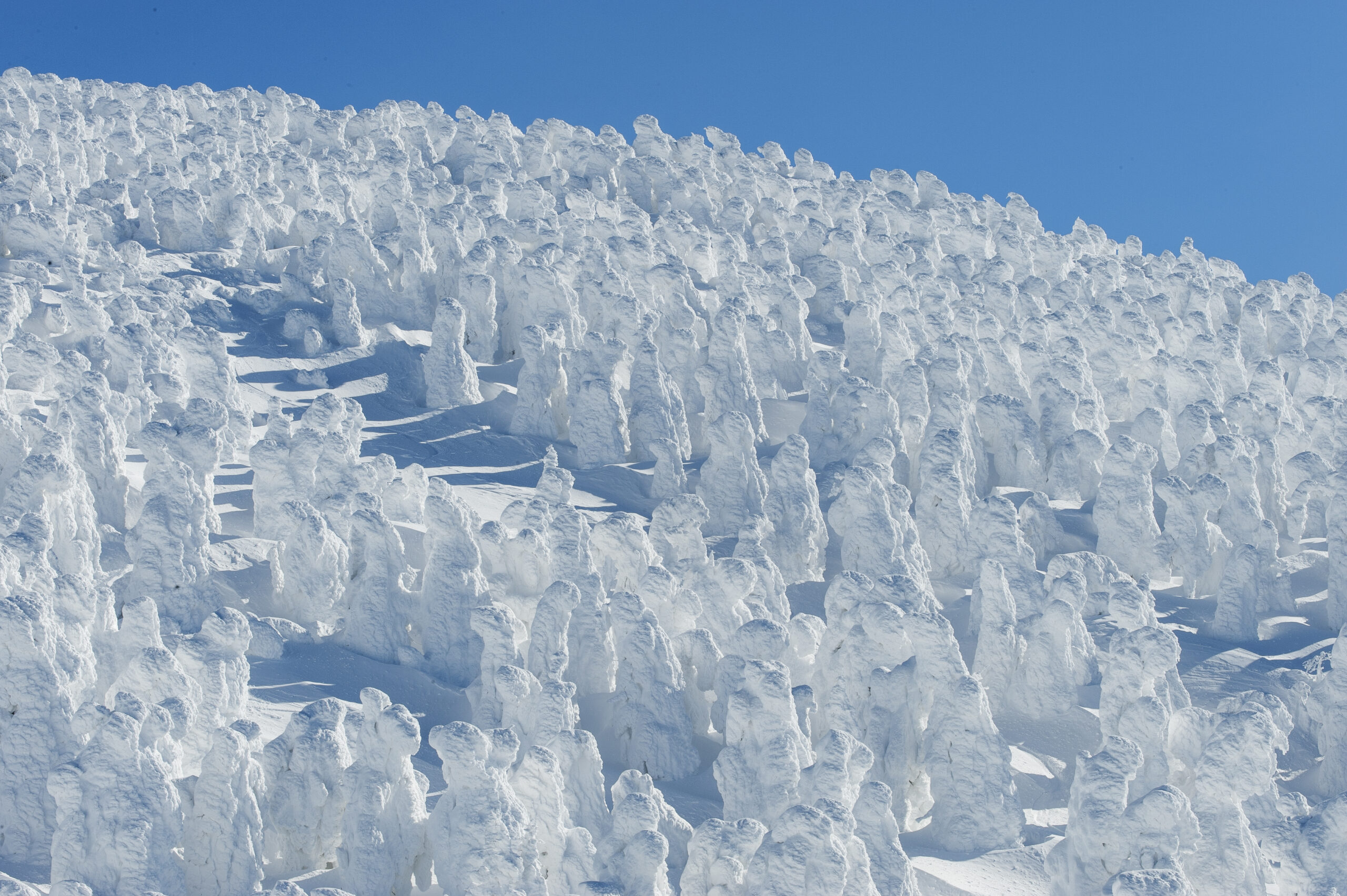
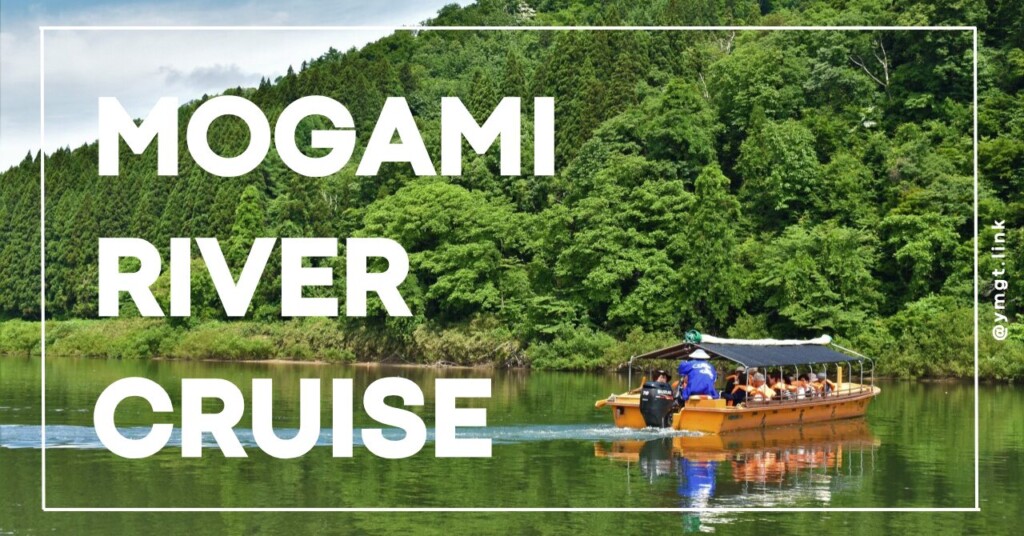
[2025 Edition] Complete Guide to the Mogami River Basho Line Boat Ride | Fees, Access, and Sightseeing Spots
- ADDRESS:〒999-6401 山形県最上郡戸沢村古口86−1
- OPEN:08:20
- CLOSE:17:10
-
OTHER:設立: 1964年
電話番号: 0233-72-2001
Recommended for adults in their 60s and above. On the Mogami River Boat Trip (Mogami Gorge Basho Line), you can enjoy the quiet flow of a rowboat and the spectacular scenery of the four seasons, from the fresh greenery of spring, the autumn leaves of fall, and the kotatsu boats of winter. We also introduce access information, prices, and nearby hot springs and restaurants. Experience the original Japanese landscape for yourself, a one-of-a-kind experience.
1.What is a Mogami River Boat Ride? The charm of rowing boats explored through Basho’s haiku

参考:https://www.jalan.net/kankou/spt_06367ee4610068992/
The Mogami Gorge Basho Line Tour is a rare rowboat tour in Japan, where you can enjoy a “silent boat trip” surrounded by nature and historical atmosphere throughout the seasons.
This engine-free boat ride, slowly propelled by the boatman’s oar, allows you to fully experience the pristine scenery of the Mogami River while listening to the murmuring of the river and the chirping of birds. Another major attraction is the opportunity to relive the scenery that inspired Basho and many other writers.
For example, you can enjoy a one-of-a-kind experience: the contrast between the snow-capped mountains and fresh greenery in spring, the river breeze and deep greenery in summer, the fiery autumn leaves in autumn, and the snowy scenery and kotatsu boat ride in winter. During the trip, local boatmen will perform Mogami River boat songs, further enhancing the journey. The gentle current makes the boat safe and comfortable for those with physical disabilities and the elderly.
In other words, the Mogami Gorge Basho Line is a luxurious, quiet journey for adults that combines nature, culture, and relaxation.
Examples of co-occurring words (included): boat ride, river breeze, autumn leaves, fresh greenery, kotatsu boat, boatman, boat song, Mogami River, Basho, oar, history, four seasons, nature, relaxation, travel romance, scenery
1-1.What is the Mogami River that Matsuo Basho wrote about in his haiku?
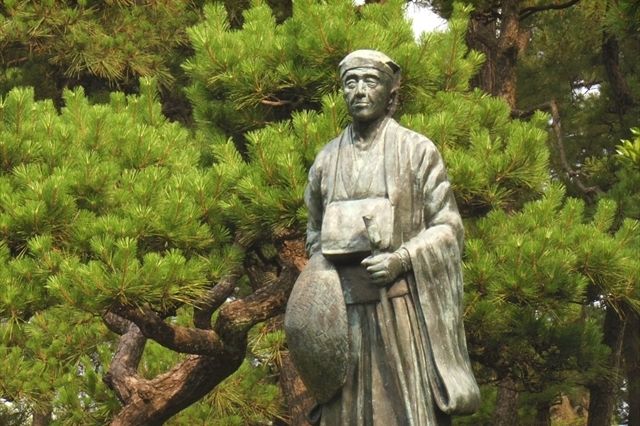
参考:https://sakata-kankou.com/spot/30518
Matsuo Basho was deeply moved by the scenery of the Mogami River, and captured it in a haiku poem in his book “The Narrow Road to the Deep North.” This can be experienced today on a boat trip down Mogami Gorge.
The Mogami River is Japan’s most famous river, and was once a major transportation route for transporting goods. Its powerful yet gentle flow and the towering mountains on both banks leave a lasting impression on travelers. In particular, Matsuo Basho’s haiku, “The May rain gathers, and the Mogami River flows quickly,” is famous for expressing the overwhelming power and beauty of nature.
Today’s boat trips down Mogami Gorge follow the same route Basho likely took, allowing you to experience the “world of Basho” in its different expressions with each season: fresh greenery in spring, autumn leaves in autumn, and snowscapes in winter. The boatman’s narration also includes commentary on Basho’s haiku and the background to his journey, making it a delight for literature lovers.
A boat trip through the Mogami Gorge goes beyond mere sightseeing to become “a time to share the scenery with an ancient poet.” This is the special value of the Mogami Gorge Basho Line, which is not available on other boat trips.
1-2.The appeal of engine-less rowboats

reference:https://www.yamagata-np.jp/news/202501/08/kj_2025010800173.phpThe charm of the Mogami
Gorge Basho Line lies in the silence that can only be experienced on a rowboat, which has no motor noise.
In a space without engine noise, only the sounds of nature, such as the sound of the wind, the murmuring of water, and the chirping of birds, can be heard. This is a silent luxury rarely found in urban life, and it brings a sense of resetting both body and mind.
The boats are propelled by the boatman using a tool called a “ro,” a traditional method of navigation that requires skilled technique and physical strength. This deliberate lack of an engine not only offers tourists an extraordinary experience, but also helps preserve the inherent tranquility and scenery of the Mogami River. In particular, on a kotatsu boat in winter, you can immerse yourself in the silent world of the snowy landscape outside while enjoying the warmth of the boat.
A boat trip on the Mogami Gorge Basho Line is a time to savor the silence and commune with nature. This is made possible by the unique charm of the traditional rowing style.
Glossary:
Ro: A traditional Japanese rowing device. A single long oar is fixed to the side of the boat, and the rower paddles the water by twisting his or her body.
2.[Seasonal] Highlights of the Mogami River Boat Trip | From the fresh greenery of spring to the kotatsu boats of winter

reference:https://www.blf.co.jp/about
The Mogami Gorge Basho Line Sightseeing boat trip is one of Japan’s few “four-season river trips,” offering completely different scenery and moving experiences with each season.
Mogami Gorge’s valley topography, surrounded by mountains on all sides, clearly reflects the changing seasons. Combined with the slow-moving nature of the boat, the river’s appearance changes dramatically depending on the season you board.
Enjoy spectacular views throughout the seasons: the clear contrast of snow-capped mountains and fresh greenery in spring, the deep greenery and refreshing river breeze in summer, the fiery autumn leaves in autumn, and the kotatsu boat cruising through the silence of snow-capped mountains in winter. With different boat trips and tourist events tailored to each season, you’ll discover something new every time you visit.
The Mogami Gorge boat trip is an experiential tour that can be enjoyed multiple times, depending on the season. It’s truly a “river trip that can’t be described in one go.”
2-1.The contrast between fresh spring greenery and lingering snow (April to May)

reference:https://my10.jp/tohoku/yamagata/mogami-river-boat-trip.php
In spring, Mogami Gorge offers a special view unlike any other season, where you can enjoy both fresh greenery and lingering snow.
From late April to May, snow still remains on the mountains upstream of the Mogami River, while vibrant new leaves sprout along the river, creating a stunning contrast between white and green.
Looking up at the mountains while being rocked by boat is like a painting. Especially on morning trips, the spring light reflects off the water’s surface, creating a mystical atmosphere. According to the Yamagata Tourism Association, the best time to visit is usually from late April to mid-May.
Spring is a recommended season for beginners, as you can enjoy the breath of nature and the clear waters of the Mogami River while feeling the start of a new season.
2-2.In summer, you’ll be surrounded by cool river breezes and deep greenery.

参考:https://tabi-mag.jp/yg0033/
A summer boat trip on the Mogami River is a “natural cooling spot” where the river breeze and shade from the trees help to alleviate the heat.
Because Mogami Gorge flows through the deep mountains, the temperature along the river is low even during the day, and a pleasant breeze blows through the boat. The lush green trees create a visually refreshing feeling as well.
The boatman rows the boat slowly, and if you listen carefully, the only sounds you can hear are the chirps of cicadas and the sound of the water. For a summer boat trip, we recommend wearing a hat, sunglasses, and breathable clothing. It’s perfect for those looking to escape the oppressive heat of the city and find solace in nature.
For adults and families seeking coolness, the Mogami River in summer is a special summer escape where you can “experience the coolness with all five senses.”
2-3.The autumn leaves on the Mogami River are at their most beautiful time of the year (mid-October to early November)

参考:https://www.kkday.com/ja/product/101390-mogami-river-boat-sightseeing-cruise-yamagata
The autumn foliage season on the Mogami Gorge Basho Line is the most popular time of the year, attracting many repeat visitors for its spectacular views.
The Mogami Gorge area is home to many broad-leaved trees, including maples, oaks, and beeches, creating a rich gradation of colors that paint the entire mountain like a picture scroll.
The best time to see the leaves is usually between October 20th and November 10th, and the autumn leaves you can look up at while on a boat trip offer a spectacular view from a special angle that you can’t get on foot. Many passengers bring their cameras, making this a popular season among photography enthusiasts. To avoid the crowds, we recommend taking a weekday morning trip.
A boat trip to view the autumn leaves is such a memorable experience that it’s often said that “if you’re visiting Mogami Gorge, autumn is the first thing you should do.”
2-4.Winter-only kotatsu boat experience (December to March)

reference:https://mokkedano.net/spot/30394
The winter-only “Kotatsu Boat” is a specialty of the Mogami Gorge Basho Line, offering an extraordinary experience unique to snow country.
A kotatsu is installed inside the boat, and while the outside is a world of snow, the inside is cozy and cozy. This contrast between sight and touch creates a unique winter luxury.
Looking out the window from your kotatsu, you can see snow falling gently, frost covering the trees, and the river shrouded in silence. The boat songs and storytellers’ tales are filled with a wintery atmosphere, making this a particularly popular experience with women traveling and couples. The boat usually operates from December to the end of March, and may be suspended depending on the snowfall, so it is recommended to check in advance.
A winter trip through Mogami Gorge is a “heart-warming boat trip” filled with so many moving experiences that you’ll forget the cold.
3.Complete Guide to Mogami Gorge Basho Line Boat Ride: Prices, Duration, and Access
The Mogami Gorge Basho Line boat ride is a popular tourist activity that offers spectacular seasonal views and a historical atmosphere for an affordable price. It’s easily accessible by both train and car, and can be enjoyed by car or train.
Price, travel time, and accessibility are particularly important factors when planning your trip. The Mogami Gorge Basho Line offers a quiet and enjoyable experience in areas associated with Basho, while also being reasonably priced. Furthermore, the nearby train station and parking facilities are being developed, making it an accessible tourist destination for everyone.
The fare is 2,500 yen for adults, and the ride takes approximately 60 minutes. The trip departs from Furukuchi Port, about a 3-minute walk from JR Furukuchi Station. Free parking is available for car access. Since operation times vary depending on the season and weather, there are ways to check in advance.
The Mogami Gorge Basho Line tour is easy to prepare for, making it a safe and accessible boat trip for everyone. Details are summarized below.
3-1.Price, Course, and Duration (Adults: 2,500 yen, approximately 1 hour)

reference:https://my10.jp/tohoku/yamagata/mogami-river-boat-trip.php
The Mogami Gorge Basho Line boat ride costs 2,500 yen for adults, and allows you to enjoy a one-hour rowboat ride down the Mogami River.
This boat ride is operated by hand, without the use of an engine, which is rare for tourist boats, and the boatman’s songs and commentary are also part of the attraction. It’s not just a boat, but a highly valued “experience.”
[Boarding Section] Furukuchi Port → Kusanagi Port (approximately 12km one way)
[Travel Time] Approximately 60 minutes
[Ferry Schedule] 4-6 sailings per day (varies seasonally)
[Prices (as of May 2025)]
- Adults: ¥2,500
- Elementary School Students: ¥1,250
- Toddlers: Free (accompanied by an adult)
[Winter Kotatsu Boat] ¥3,000 (Limited-time offer, advance reservations recommended)
The appeal of the Mogami Gorge Basho Line is its high level of tourist satisfaction and excellent value for money.
3-2.Access (Furuguchi Station, car, parking information)
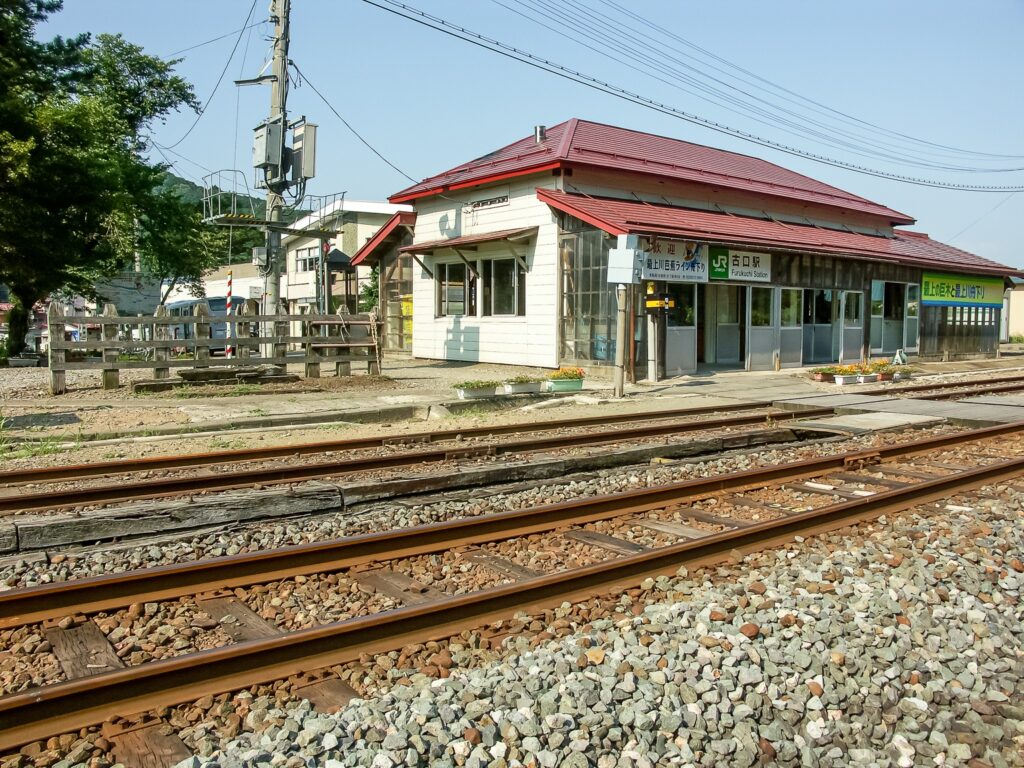
reference:https://x.com/43days/status/1338839400982069251?lang=ar
The Mogami Gorge Basho Line is easily accessible by train or car. Its location, just a three-minute walk from JR Furukuchi Station, is particularly popular.
For travelers visiting from afar, the availability of local transportation and parking is an important factor that determines their satisfaction with their trip. The Mogami Gorge Basho Line is well-equipped to accommodate both public transportation and private cars.
[By Train]
- Get off at Furukuchi Station on the JR Rikuu West Line. Furukuchi Port is approximately a 3-minute walk away.
- The journey from Shinjo Station to Furukuchi Station takes approximately 20 minutes (travel time).
[By Car]
- Approximately 30 minutes by car from Shinjo City.
- Approximately 50 minutes from Tsuruoka City.
- Approximately 1 hour and 45 minutes from Yamagata City via the Tohoku Chuo Expressway and National Route 47.
[Parking]
- Free parking is available at both Furukuchi Port and Kusanagi Port (for 20 or more vehicles).
- Space for large buses is also available, making it suitable for large groups.
With convenient access by train and car, the area caters to a wide range of ages and travel styles.
3-3.How to check weather and flight status
To ensure the safety of the boat ride, it may be suspended in bad weather or high water levels. Advance confirmation is essential.
Because the Mogami Gorge Basho Line does not use engines, it is susceptible to river currents and winds. Therefore, operation decisions are made in accordance with safety standards. It is essential to check the operation status before and after booking.
[How to Check ①]
- Official website “Operation Status Page”: Updated every morning around 8:00 AM
→https://www.blf.co.jp/
[How to Check ②]
- Phone: 0233-72-2001 (Mogami Gorge Basho Line Tourism)
- We will respond to sudden changes in weather just before departure on the day of departure.
[Common Factors Affecting the Boat Trip]
- Strong winds, lightning warnings, heavy rain/flood warnings, rising river levels, etc.
To enjoy your trip safely, it is important to frequently check the weather and operation information for the day on the official website or by phone.
4.3 nearby spots to enjoy along with a boat ride: hot springs, roadside stations, and waterfall cafes

reference:https://travel.rakuten.co.jp/special/senior/
After completing your Mogami Gorge Basho Line boat trip, you can make your trip even more satisfying by enjoying the surrounding tourist spots, gourmet food, and day-trip hot springs.
The Mogami Gorge area is dotted with attractive stopovers in addition to boat rides, allowing you to explore efficiently even in a short amount of time. The combination of the “three elements of travel” — culture, food, and hot springs — particularly enhances its status as a tourist destination.
Within a few minutes’ drive from Kusanagi Port, the final destination of the boat ride, you’ll find a roadside station where you can experience Korean culture, a drive-in where you can enjoy beautiful waterfalls and local sweets, and a day-trip hot spring with natural hot spring water. Each has its own unique features and is enjoyed by tourists of all ages.
For those who want to cherish the afterglow of their boat trip, the stopover spots around Mogami Gorge are recommended. The appeal is that they offer a casual, extraordinary experience with minimal travel burden.。
4-1.Enjoy Korean culture and cuisine at Roadside Station Tozawa “Komakan”

reference:https://mag.yway.jp/special/46164/
After your boat ride, enjoy authentic Korean cuisine while experiencing Korean culture at the nearby Tozawa Koraikan Roadside Station.
Tozawa Village has actively engaged in cultural exchange with Korea since the 1990s, promoting tourism with a “Koryo Village” theme. The Tozawa Koraikan Roadside Station serves as the hub for this, allowing visitors to experience Korean traditions through food, miscellaneous goods, and exhibits.
The restaurant’s popular dishes include stone-grilled bibimbap and authentic hiyashi (cold noodles). There’s also a well-stocked souvenir corner with kimchi and Korean cosmetics. You can also take commemorative photos wearing the traditional Korean dress, “chima jeogori,” making for a truly social media-worthy experience. The building’s roof is modeled after a Korean-style roof, creating the feeling of visiting a miniature Korea.
Tozawa Koraikan Roadside Station offers a cross-cultural experience without leaving Japan, making it the perfect stop for a refreshing surprise and flavorful addition to your travels.
4-2.Shiraito Falls and a drive-in for photos and soft serve ice cream

reference:https://ppap.kinto-jp.com/spot/2940
Just a few minutes’ drive from the end of the boat ride, Shiraito Falls and the Drive-In is a convenient spot in the Mogami Gorge area where you can enjoy both nature and delicious food.
Shiraito Falls is known for its delicate, silk-like streamers of water cascading from a height of 20 meters, making it a photogenic spot. There is a drive-in nearby where you can enjoy a break and a snack at the same time.
The falls are located along National Route 47 and have free parking. The drive-in’s rich soft-serve ice cream made with local milk is popular, and it attracts many tourists, especially in the summer. Relaxing on a bench with the sound of splashing water as background music is an exceptional experience.
Shiraito Falls and the Drive-In is a relaxing stop where you can enjoy nature and sweets while savoring the afterglow of your boat ride.
4-3.Relax your body and mind at the day spa “Yu-Cherry”

reference:https://travel.rakuten.co.jp/HOTEL/145473/145473.html
If you’re looking to soothe your travel fatigue, we recommend the free-flowing hot springs at Yu-Cherry, which you can stop by after your boat ride.
Yu-Cherry is a popular hot spring facility in Shinjo City, easily accessible by car, about 25 minutes from the boat ride. The sodium chloride spring water has excellent heat-retaining and moisturizing properties, and is said to be particularly effective for those with poor circulation and fatigue (Source: Ministry of Health, Labor and Welfare, Hot Spring Composition Table).
The indoor bath is spacious, and the open-air bath allows you to soak while enjoying the seasonal mountain views. The clean changing rooms, restaurant, and shop on-site make this a very convenient facility for tourists. It’s also beloved by locals, so even when it’s busy, it has a homey atmosphere.
A soak in the hot springs at Yu-Cherry will enrich your boat trip memories and refresh both body and mind.
5.How to Enjoy a Boat Trip with a Boatman | Boat Songs, Recommended Times, and Inside Stories

reference:https://travel.navitime.com/ja/area/jp/spot/02301-3400017/
The secret to making the Mogami River boat trip even more appealing lies in the “boat songs” and choosing a time to avoid crowds. Understanding the “travel style” of the local boatmen and guides, rather than just the perspective of a tourist, will enable a more intense experience.
The value of a boat trip is greatly enhanced by learning about the local culture and the differences in atmosphere depending on the time of day, which cannot be discerned from superficial tourist information. Even if the sightseeing route is the same, the quality of the experience can be changed with creativity.
The Mogami River boat songs sung by the boatmen are imbued with the history of work and life on the river. Also, by avoiding the afternoon when tourist buses are concentrated and choosing a morning or weekday, you can fully savor the tranquility and pleasant river breeze. This is a travel tip recommended by many local guides.
A local perspective and timing are key to ensuring your Mogami River boat trip doesn’t end as just a tourist trip.
5-1. The Boatmen Discuss the Appeal of “Boat Songs” and the Style of Travel

reference:https://mirailab.info/column/42935
The Mogami River Boat Song not only adds to the atmosphere of the boat ride, but is also an important cultural heritage that conveys the lifestyle and history of the region.
Boat songs are a type of work song (labor song) that was sung to keep the rhythm of work while rowing, and Mogami River Boat Songs are known for their particularly beautiful emotion and melody. Today, they are being rediscovered as a tourist experience and have become one of the highlights of the boat ride.
The live boat songs sung by the boatmen echo through the boat, blending with the sounds of the river flow and the birdsong to create a unique sense of space. The lyrics weave the Mogami River as the “River of Life,” and are structured to evoke scenes from the days of shipping. The intonation and timing vary depending on the boatman, adding to the unique flavor of this once-in-a-lifetime experience. One boatman said, “When I sing along with the sound of the wind, I feel like the river is happy.”
By perceiving “Funauta” as a part of culture rather than a tourist attraction, the boat ride changes from a simple means of transportation to a moving experience.
5-2.If you want to avoid the crowds and enjoy a quieter trip, we recommend morning flights and weekdays.

reference:https://www.kankoh.vill.tozawa.yamagata.jp/kotatu-boat/
If you want to enjoy a quiet, leisurely boat ride down the Mogami River, it’s best to choose a morning trip on a weekday.
This is because tourist buses and group tours tend to be concentrated in the afternoon, and the time of day can greatly affect the level of crowding on the boat and the tranquility of the riverside. The river water is also clear in the morning, the light is soft, and the photos are excellent.
I’ve actually been on the boats many times as a guide, and I’ve found that the weekday trips between 9:00 AM and 11:00 AM have fewer passengers and more space on board, so you can often choose your seat freely. Additionally, the wind is still calm during this time, making the boat more stable and safe for elderly people and those traveling with children. Morning trips become increasingly popular during the autumn foliage season, so we recommend booking early.
If you want to fully enjoy the tranquil river, aim for the prime time of a weekday morning trip.
6.Eliminate your worries about the Mogami River boat ride! A Q&A on weather, clothing, elderly people, and more

reference:https://stock.adobe.com/jp/search?k=q
To ensure you can enjoy your Mogami Gorge Basho Line sightseeing trip with peace of mind, we will carefully answer any concerns that many people have before boarding.
When it comes to the extraordinary experience of a boat ride, it’s natural to have concerns about the weather, safety, facilities, and more. However, knowing accurate information beforehand will help you enjoy your trip with peace of mind.
For example, we receive questions like, “Can I ride on rainy days?”, “Is the surface slippery?”, and “What about meals?” almost every day. Based on these comments, we will provide professional explanations.
By checking the FAQ below, you can enjoy your Mogami River boat ride with greater peace of mind and comfort.
6-1.Does the Mogami River boat ride operate on rainy days?
The Mogami Gorge Basho Line boat trip generally operates even in rainy weather, but may be canceled in the event of strong winds or river flooding.
The boats are covered, so there is little risk of getting wet in normal rain. However, safety is the top priority and the trip will be canceled if there is a risk of capsizing due to strong winds, poor visibility, or if a thunderstorm warning is issued.
In practice, the trip will operate in light rain or drizzle. Vinyl curtains are installed on board to prevent cold air from entering. In the past, the decision to cancel the trip has been made on the morning of the day if a typhoon is approaching or if localized heavy rain is forecast.
The trip generally operates rain or shine, but if strong winds or heavy rain are expected, it is best to check the weather forecast and operation information in advance.
6-2.Can elderly people ride it? (→The footing is stable and safe)
The Mogami Gorge Basho Line boat ride is designed to be nearly barrier-free, so even elderly people can enjoy a safe ride.
The boarding and disembarking area is flat, and staff will escort you when you board. The boat’s floor is stable and there is little rocking, making it comfortable to sit on.
In fact, many people in their 70s and 80s have boarded the boat. Even people with canes can move around easily, and in some seasons, wooden cushions and kotatsu tables are provided on board. Just in case, life jackets are required, and staff will carefully assist you in putting them on before boarding.
Thanks to our well-thought-out facilities and services, even elderly people and those with physical disabilities can enjoy a safe and comfortable boat trip.
6-3.Can I eat on board? (No meals on board, but there are restaurants nearby.)
While dining is not permitted on board the boat during the trip, there are plenty of restaurants and roadside stations nearby, so you’ll have no trouble finding a gourmet option.
Eating and drinking are prohibited on board for safety and cleanliness reasons, but there are several restaurants using local ingredients around Furukuchi Port and Kusanagi Port, where you disembark.
We recommend the Korean restaurant at Roadside Station Tozawa Koraikan. Their stone-grilled bibimbap and hiyashi noodles are popular. You can also try Yamagata specialties such as tama konnyaku and soba noodles at Shiraito Falls Drive-In. Eating before and after the boat ride will give you more time to relax during your trip.
While dining is not permitted on board, there are plenty of gourmet spots scattered around where you can enjoy local flavors before and after your trip, which will only increase your satisfaction with the trip.
7.[Saved Edition Q&A] Summary of Frequently Asked Questions about Mogami Gorge Basho Line Tourism
Q1. How long does the Mogami River boat ride take?
A. The journey takes about an hour (about 12 km one way). You don’t have to disembark along the way, so you can enjoy the scenery of the Mogami River at your own pace.
Q2. How much does it cost?
A. 2,500 yen for adults, 1,250 yen for elementary school students, and free for preschoolers (as of May 2025). The kotatsu boat is 3,000 yen during the winter season.
Q3. Do the boats operate on rainy days?
A. In light rain, we operate on covered boats, but may be canceled in the event of strong winds, high water levels, or a thunderstorm warning.
Q4. Can wheelchair users or people with mobility issues ride the boat?
A. The boarding area is not barrier-free, but staff will provide courteous assistance with boarding and disembarking. We recommend inquiring in advance.
Q5. What are the operating hours for the kotatsu boat?
A. The boat typically operates from early December to late March. You can enjoy the snowy scenery from a warm kotatsu table.
Q6. Can I walk from the nearest station?
A. Furukuchi Port is only a 3-minute walk from JR Rikuu West Line’s Furukuchi Station, making it convenient for those traveling by train.
Q7. Can I bring pets?
A. As a general rule, pets are not allowed on board (with the exception of service dogs). Please check the official website for the latest information.
Q8. Can I eat on the boat?
A. Eating and drinking are not permitted on board. There are restaurants nearby, such as the Tozawa Roadside Station “Komakan” and Shiraito Falls Drive-In.
Q9. Are reservations required?
A. Individuals can board without a reservation, but reservations are recommended for autumn foliage season and group trips.
▶ Reservations page: https://www.blf.co.jp
Q10. Is it safe for children?
A. The boat rocks very little and staff are on hand to assist, so even those with small children can enjoy the trip safely. Life jackets are also provided.
📌Related Links:
Roadside Station Tozawa Koraikan: https://www.thr.mlit.go.jp/road/koutsu/Michi-no-Eki/yamagata/yg01.html
Mogami Gorge Basho Line Tourism Official Website: https://www.blf.co.jp
Tozawa Village Tourism Association: https://www.vill.tozawa.yamagata.jp
Yu-Cherry: https://youcherry.com
Yamagata Prefecture Cultural Assets Database “Mogami River Boat Song” https://www.pref.yamagata.jp/020073/bunkazai/bunkazai-data/kenminzoku/yamagataken/10.html
Mogami Gorge Basho Line Tourism Official Website: https://www.blf.co.jp
Mogami Gorge Basho Line Tourism Co., Ltd. Official Website: https://www.blf.co.jp
Tozawa Village Tourism Association: https://www.vill.tozawa.yamagata.jp
National Diet Library Digital Collection “Oku no Hosomichi”
Yamagata Prefecture Official Tourism Information Site “Travel to Yamagata”: https://yamagatakanko.com
Yamagata Prefecture Barrier-Free Tourism Map (List of Senior-Accessible Tourist Facilities)
: https://www.pref.yamagata.jp/ou/shokokanko/110002/barrierfree/