


A spectacular spot in Yamagata! A journey to Yamadera (Risshakuji Temple) to experience the history and footsteps of Matsuo Basho | Experience the world of the Oku no Hosomichi!
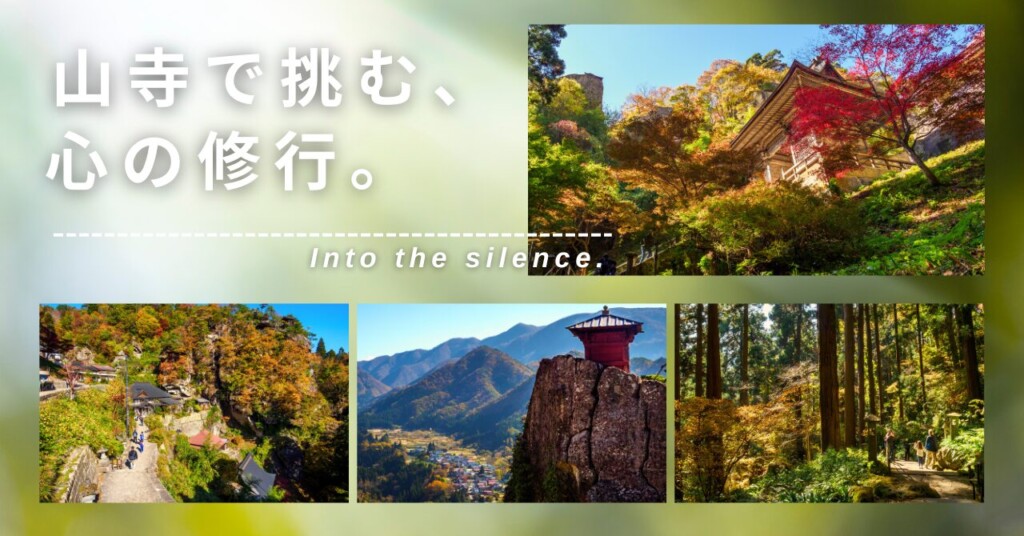
Yamadera Temple (Risshakuji Temple) in Yamagata is a tranquil spot that Matsuo Basho wrote about in his poem “The Narrow Road to the Deep North.” Why not experience something out of the ordinary at this power spot that combines history and nature to soothe the soul?
参考:https://www.youtube.com/watch?v=Igdn-rusnRs
1.What is Yamadera (Risshakuji)?
1-1. Overview of Yamadera (Risshakuji)
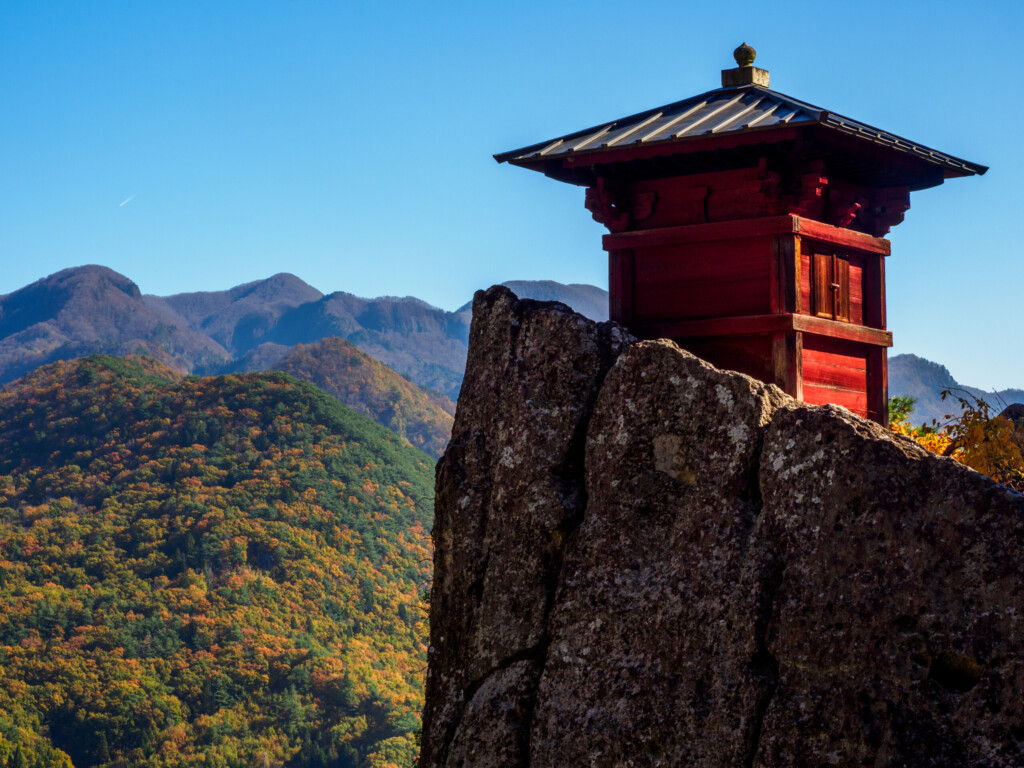
Yamadera (Risshakuji) is a renowned Tendai Buddhist temple located in Yamagata City, Yamagata Prefecture, and is one of Japan’s most famous tourist attractions, where nature and history blend in harmony.
Founded by Jikaku Daishi during the Heian period, the temple is characterized by its unique structure, with the entire mountain serving as its grounds. It has a history as a Buddhist training center and has attracted many believers over the years.
In particular, the Konponchudo Hall, designated an Important Cultural Property of Japan, and the Godaido Hall, which offers spectacular views, leave a strong impression on worshippers. These buildings are valued not only for their historical value, but also as spaces that bring peace of mind to visitors.
Yamadera (Risshakuji) is a special place where you can immerse yourself in history while savoring the tranquility and beauty of nature.
1-2. The connection between Matsuo Basho and Yamadera Temple

reference:https://www.youtube.com/watch?v=AilzwyyNB3M
Yamadera (Risshakuji Temple) is a place visited by Matsuo Basho during his journey “Oku-no-Hosomichi,” and is therefore of great historical importance.
Basho was impressed by the harmony of nature and the silence of Yamadera (Risshakuji Temple) and wrote the famous haiku here: “The silence, the summer voices penetrating the rocks.” This haiku is highly regarded in the history of Japanese literature.
The “Cicada Tomb,” where Basho is said to have stayed, and a haiku monument that evokes his footsteps remain on site, attracting many literary fans to retrace his footsteps. This has made Yamadera (Risshakuji Temple) known not only as a tourist destination but also as a sacred place for Japanese literature.
Matsuo Basho’s visit is an important factor in positioning Yamadera (Risshakuji Temple) as a place of cultural value.
1-3. Why Yamadera attracts so many visitors
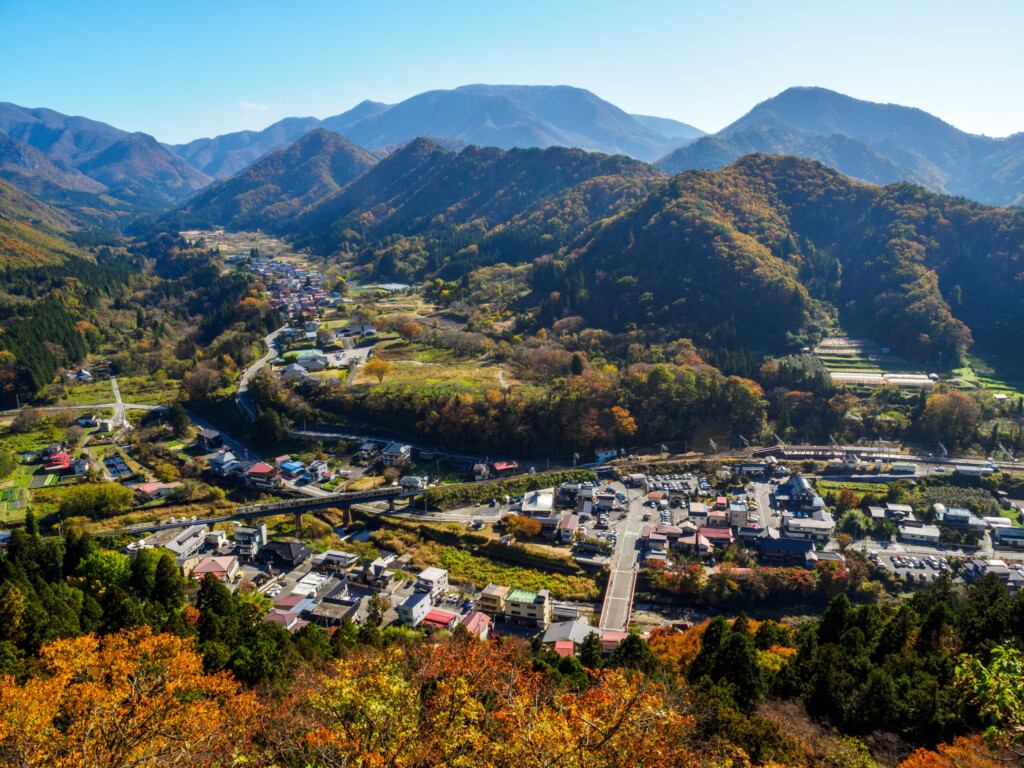
Yamadera (Risshakuji Temple) is appealing for its historical value, natural beauty, and environment that soothes the souls of its visitors.
This tranquil space, cultivated over a long history, is beloved by many as a place to escape the hustle and bustle of modern society. Visitors are also captivated by the sense of accomplishment gained from climbing Yamadera (Risshakuji Temple)’s 1,015 stone steps and the spectacular view from the Godaido Hall.
With each season, Yamadera (Risshakuji Temple) changes its appearance, with the fresh greenery of spring, the coolness of summer, the autumn leaves, and the snowy scenery of winter. Each visit offers new discoveries. It’s also popular as a power spot, making it a great place for those seeking spiritual refreshment.
Yamadera (Risshakuji Temple) is a special space where nature and history intertwine, inspiring many visitors.
2. The history of Yamadera Temple and Matsuo Basho’s “The Narrow Road to the Deep North”
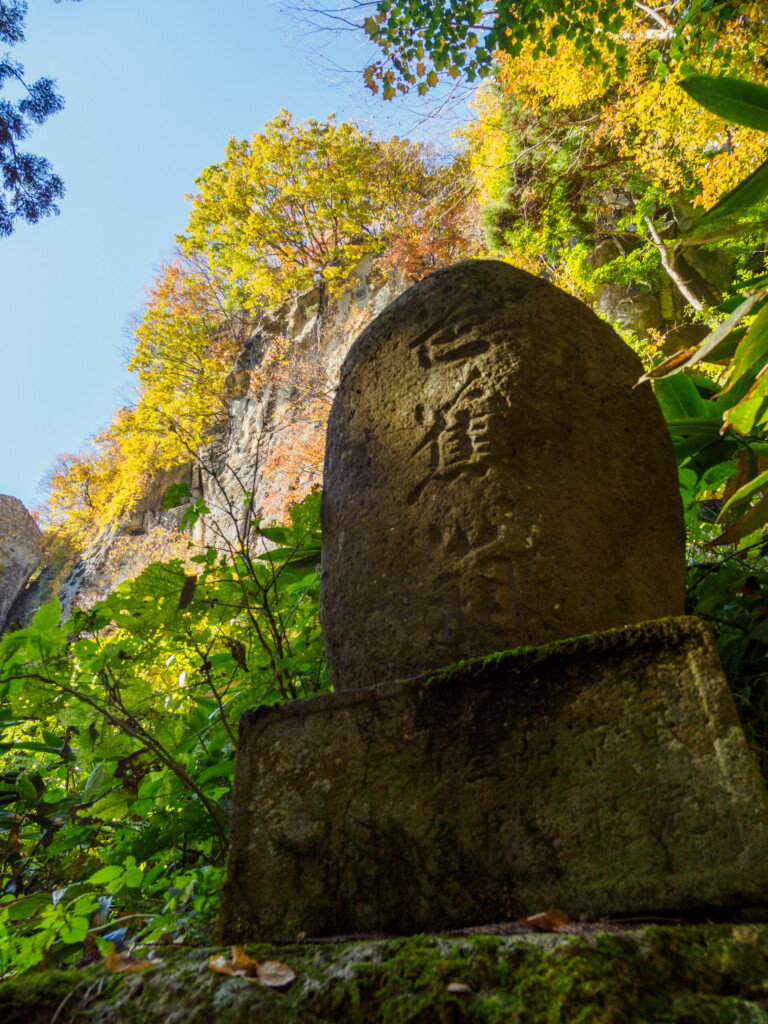
2-1. The Founding and History of Risshakuji Temple
Founded by Jikaku Daishi during the Heian period, Yamadera (Risshakuji) is an important temple where Buddhism and local beliefs intersect.
Founded in 860 as a training center for the Tendai sect, it features an unusual structure in which the entire mountain is used as its temple grounds. Throughout its long history, Risshakuji has also served as a spiritual pillar for the local residents.
In particular, the Konponchudo Hall is the central building of the surviving Risshakuji temple, and is so valuable as a piece of Buddhist architecture that it has been designated an Important Cultural Property by the national government. The Godaido Hall is also known as a spectacular spot from which to view the entire temple. These buildings speak to the historical value of Risshakuji.
Yamadera (Risshakuji) is more than just a tourist destination; it is a valuable place where you can deeply immerse yourself in history and culture.
2-2. Matsuo Basho and “The Narrow Road to the Deep North”
The connection between Yamadera and Matsuo Basho is deeply etched in the history of Japanese literature through the haiku “Silence, the voices of summer seeping into the rocks,” which Basho composed during his journey on “The Narrow Road to the Deep North.”
Matsuo Basho was inspired by the silence and magnificent nature of Yamadera (Risshakuji Temple) and wrote this haiku. This poem poetically expresses the charm of Yamadera and helped raise its profile nationwide.
Yamadera is home to a “semizuka” (cicada mound) and a haiku monument, both of which reflect Basho’s footsteps, making it a sacred place for literature lovers. Furthermore, the haiku “Silence…” resonates with many tourists as a symbol of Yamadera’s natural beauty and inner peace.
Yamadera, which Matsuo Basho visited on “The Narrow Road to the Deep North,” is not only of literary and cultural value, but its silence and beauty continue to captivate us today.
3.Yamadera Highlights Guide
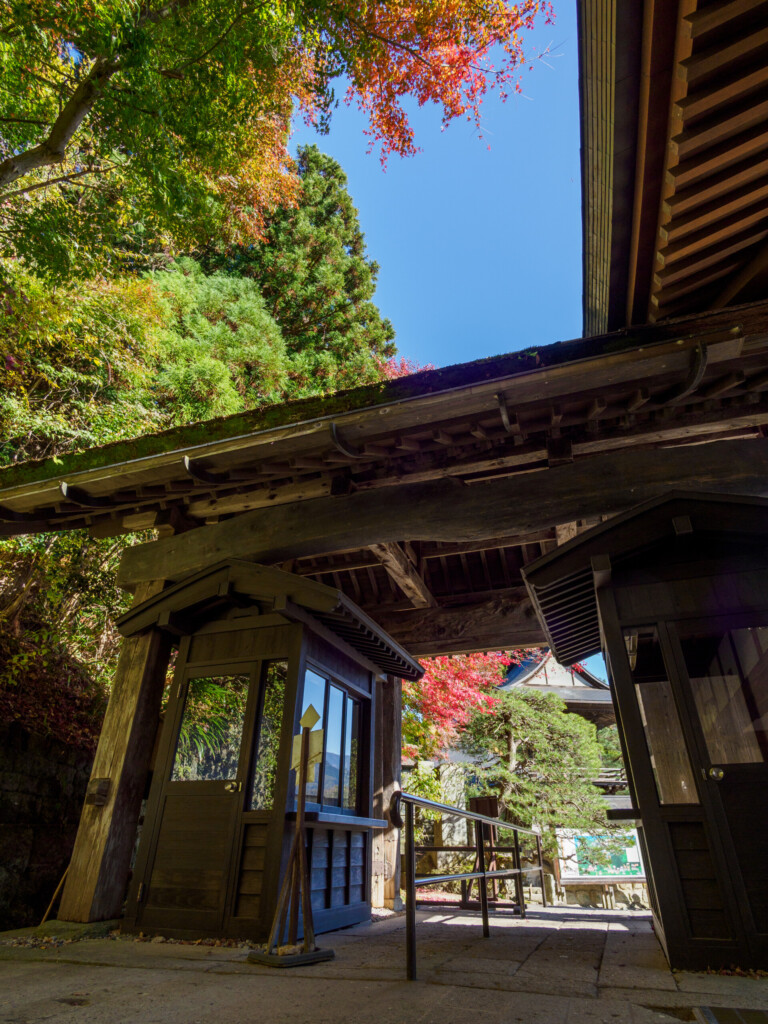
3-1. The impressive approach and stone steps
The approach to Yamadera Temple and its stone steps are a sight that overwhelms visitors with their grandeur and unique atmosphere.
The approach to Yamadera Temple (Risshaku-ji Temple) features 1,015 stone steps leading from the entrance to the inner sanctuary. This path was designed as a place of training, and each step provides a sense of spiritual purification.
Historical buildings such as the Niomon Gate and Shakado Hall are dotted along the way, giving visitors a sense of history and culture. The stone steps are colored by the changing seasons, with the fresh greenery of spring, the autumn leaves, and the snowy scenery of winter being particularly beautiful. Furthermore, once you reach the top of the approach, you’ll be greeted with a sense of accomplishment and a spectacular view from the Godaido Hall.
The approach to Yamadera Temple and its stone steps are a special place that offers an experience that will refresh both body and mind.
3-2. Recommended tourist spots
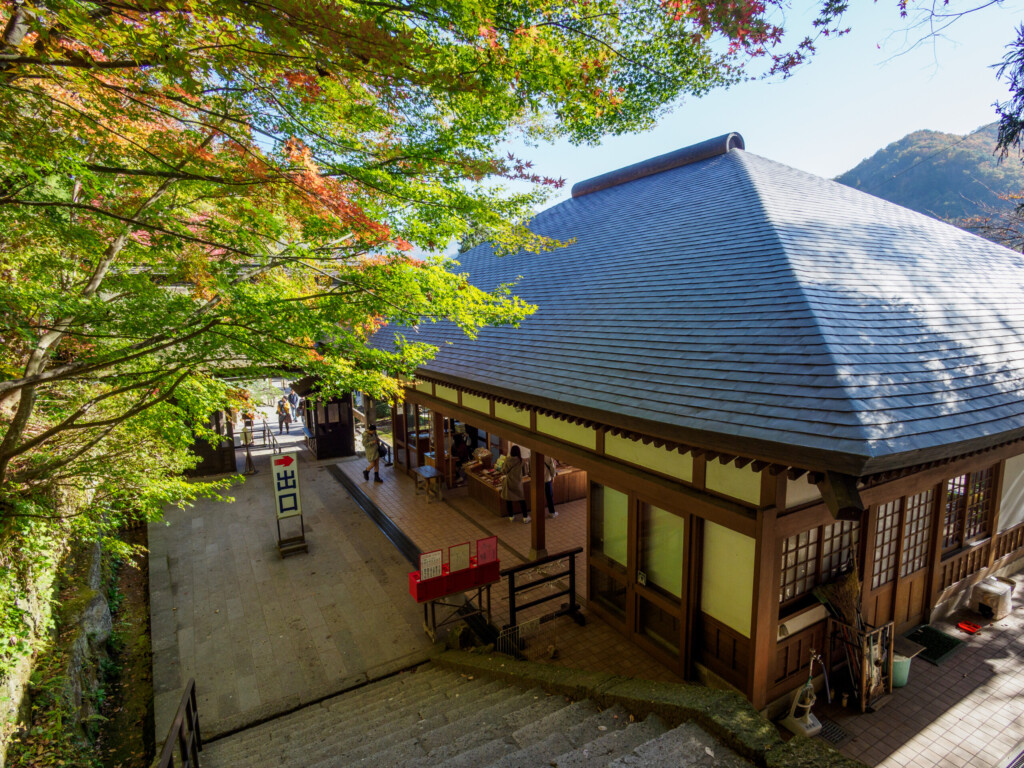
Yamadera (Risshaku-ji) has many tourist attractions that combine historical value with natural beauty.
Two must-see spots for worshippers are the Konponchudo Hall and Godaido Hall. These structures have each been designated Important Cultural Properties and symbolize the history and charm of Yamadera.
- Konponchudo Hall: Built in the Heian period, this central building of Yamadera is still used for memorial services today.
- Godaido Hall: Located at the highest point in Yamadera, it offers a spectacular view of Yamagata city. The view is particularly breathtaking at sunset.
- Kaisan-do Hall: This building enshrines Jikaku Daishi and deeply moves worshippers.
Yamadera’s tourist attractions offer visitors the opportunity to enjoy both history and nature.
3-3. Yamadera as a power spot
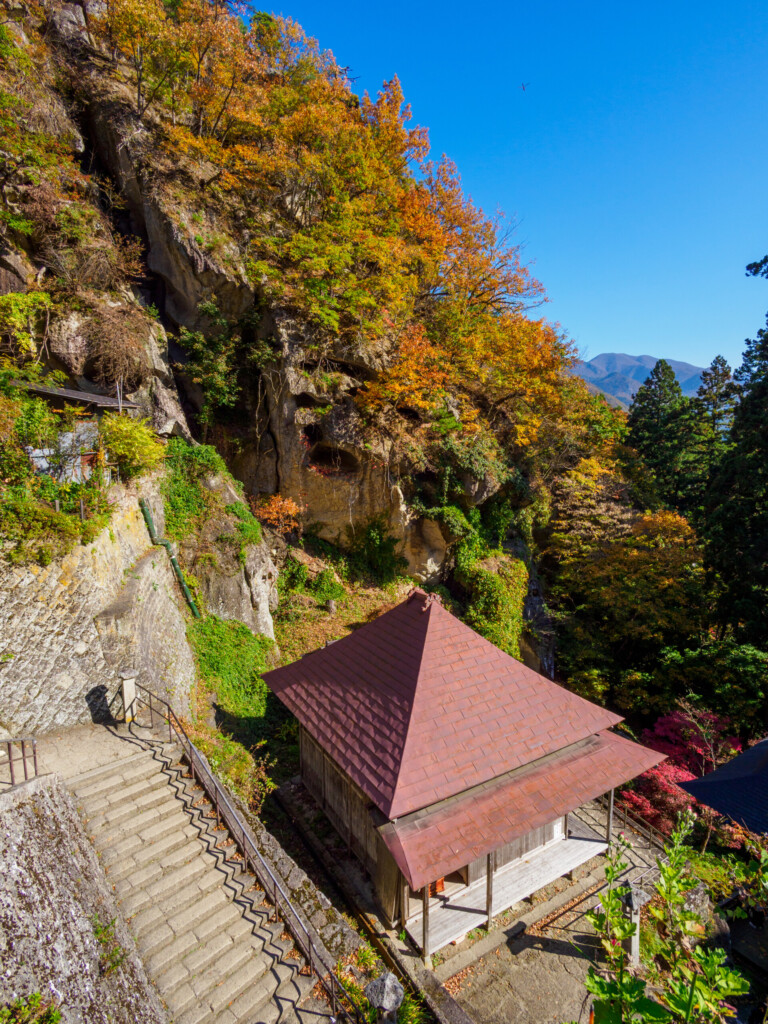
Yamadera (Risshakuji Temple) is known as a power spot, a place where visitors can find healing for both body and mind.
The entire mountain is a Buddhist training ground, and has long been revered as a place of miraculous power. Its tranquil environment and natural beauty are said to purify the souls of those who visit.
- Semizuka: Named after a haiku poem by Matsuo Basho, this is a place where you can feel in harmony with nature.
- Stone steps and approach path: This route is said to purify the soul just by walking it, and offers a special experience for many worshippers.
- Okunoin: Located at the innermost part of Yamadera Temple, this is a place where people are always coming to offer prayers.
As a power spot, Yamadera (Risshakuji Temple) is a place that provides healing and vitality to all who visit.
4. Access to Yamadera and surrounding tourist information

reference:https://yamagatakanko.com/transport/detail_10700.html
4-1. Access information
Accessing Yamadera (Risshakuji Temple) is easy and comfortable via public transportation. The most common method of transportation from Tokyo is a combination of the Shinkansen and local train lines.
Yamadera is conveniently located just a 10-minute walk from Yamadera Station on the JR Senzan Line, and can be reached from Tokyo in approximately 2.5 hours by Shinkansen.
・Access from Tokyo:
Take the Tohoku-Yamagata Shinkansen from Tokyo Station to Yamagata Station in approximately 2.5 hours.
Transfer to the JR Senzan Line at Yamagata Station for approximately 20 minutes to Yamadera Station.
The entrance to Yamadera is approximately a 10-minute walk from Yamadera Station.
・Access from Sendai:
Take the JR Senzan Line from Sendai Station to Yamadera Station in approximately 1 hour.
It’s approximately a 10-minute walk to Yamadera.
Note: The JR Senzan Line operates approximately once per hour, so we recommend checking the timetable in advance. Additionally, if you’re traveling by Shinkansen, it’s best to reserve a seat in advance.
Even if you don’t own a car, you can easily access Yamadera (Risshakuji Temple) by public transportation. It’s easily accessible from Tokyo and Sendai, making it a convenient place to visit.
4-2. Recommended sightseeing spots in the area
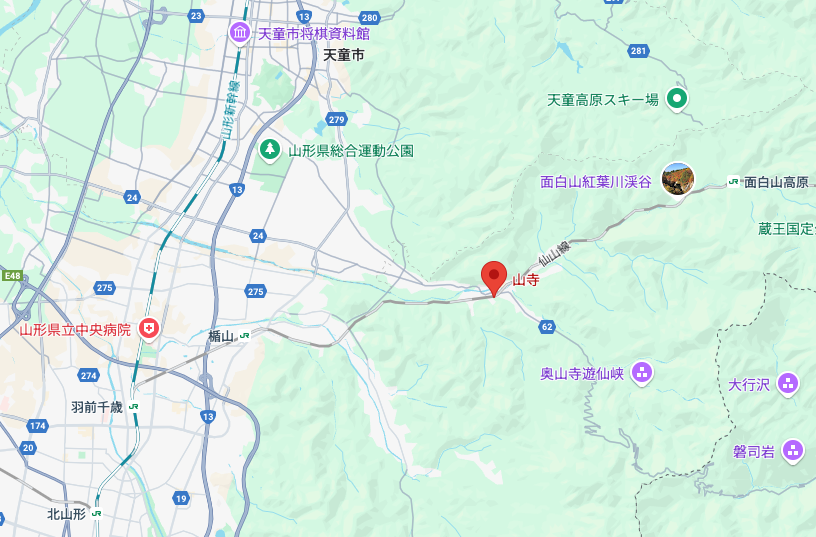
There are many tourist spots around Yamadera that can be reached by train or on foot, allowing you to fully enjoy history and nature.
There are several tourist spots around Yamadera that can be accessed on foot or by public transportation, allowing you to spend fulfilling time there even after visiting Yamadera.
Yamagata City Museum: This museum is within walking distance of Yamagata Station. It has a wide range of exhibits that teach you about the history and culture of the region. It’s a great place to stop by on your way back to Yamagata Station by train.
The Clear Waters of Mt. Hoshu’s Asogawa River: This clear stream flows around Yamadera Station and is a particularly cool spot in the summer. It’s the perfect place to refresh yourself between sightseeing.
Yamadera Nature Trail: This trail has a well-maintained walking route, allowing you to spend some relaxing time surrounded by nature. You can enjoy the changing scenery throughout the seasons and there are plenty of photogenic spots.
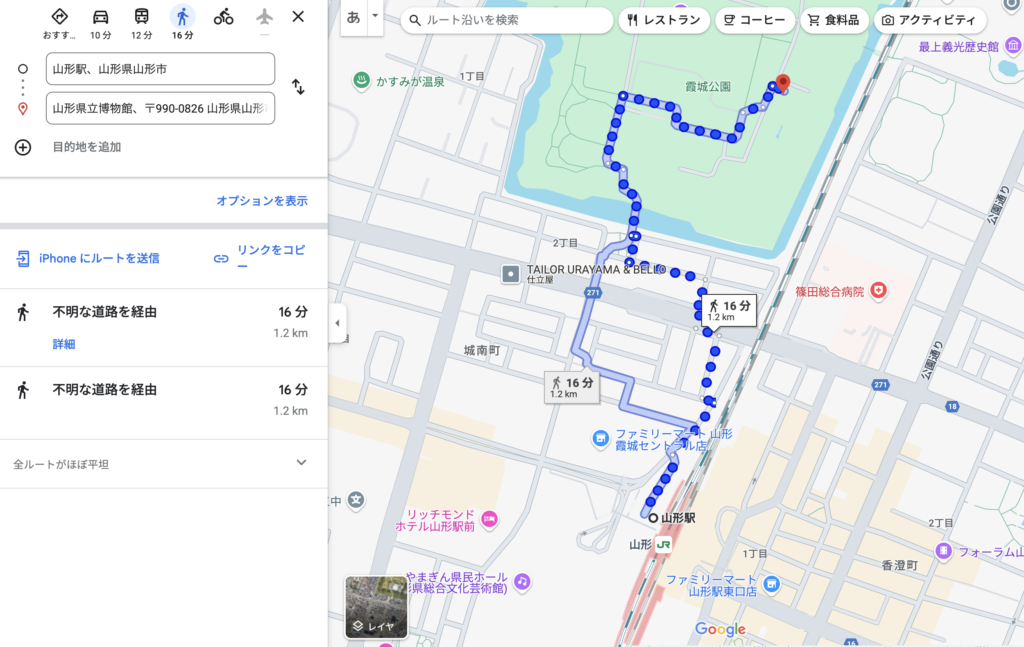
・Zao Onsen (day trip bus): After visiting Yamadera Temple, this hot spring resort can be accessed in about 40 minutes by bus from Yamagata Station. It is especially popular as a base for skiing and sightseeing of frost-covered trees in the winter.
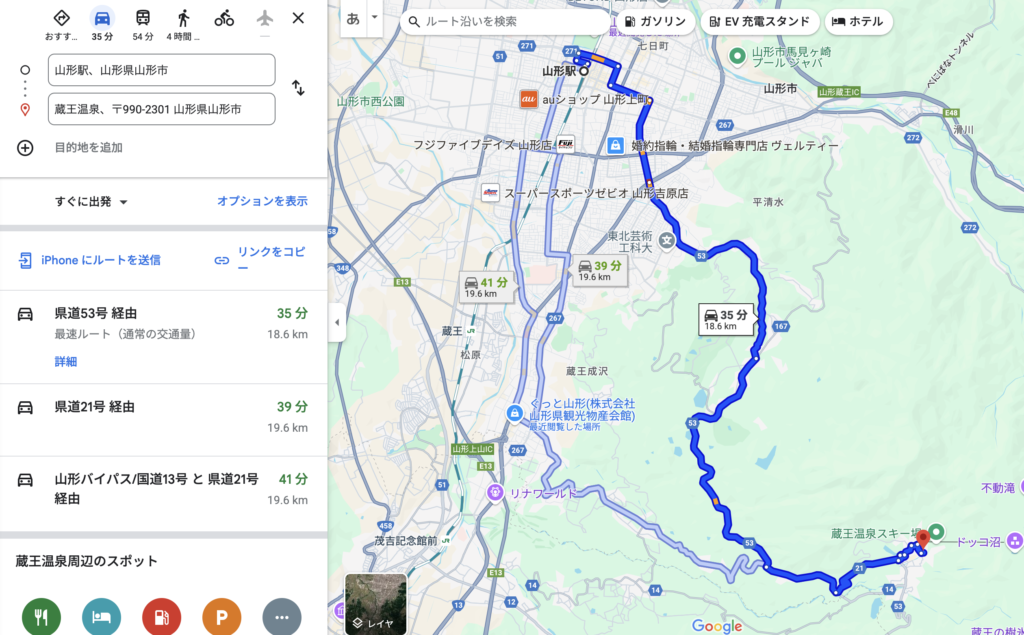
山寺(立石寺)周辺の観光スポットは、徒歩や公共交通機関でアクセス可能な場所が多く、車を持っていない方でも楽しめるようになっています。山形駅を拠点にすれば、効率よく観光地を巡ることができます。
5. 季節ごとの楽しみ方と年間行事
5-1. 春の新緑と花見
Visiting Yamadera (Risshakuji) in spring offers a beautiful view of fresh greenery and cherry blossoms.
Yamadera’s natural environment, with cherry blossoms and new buds sprouting in spring, makes the approach to the temple, bathed in soft light, an alluring tourist spot. There are also many famous cherry blossom viewing spots scattered around the area, making a visit in spring a soothing season.
・Cherry Blossom Trees Along the Approach: Worshippers are greeted by blossoms blooming near the entrance to Yamadera.
・Cherry Blossom Spots at the Foot of the Mountains: Particularly along the Asogawa River, you can enjoy the beautiful contrast between the cherry blossoms in full bloom and the clear waters.
・Yamadera Nature Trail: The promenade, where you can stroll through a tunnel of fresh greenery, is perfect for spring sightseeing.
Spring at Yamadera is a season of peace and tranquility, with cherry blossoms and fresh greenery bringing peace to the soul. There are also many photo spots with cherry blossoms as a backdrop, so a spring visit is recommended.
5-2. The coolness of summer and Basho’s haiku
reference:https://www.gltjp.com/ja/article/item/11108/
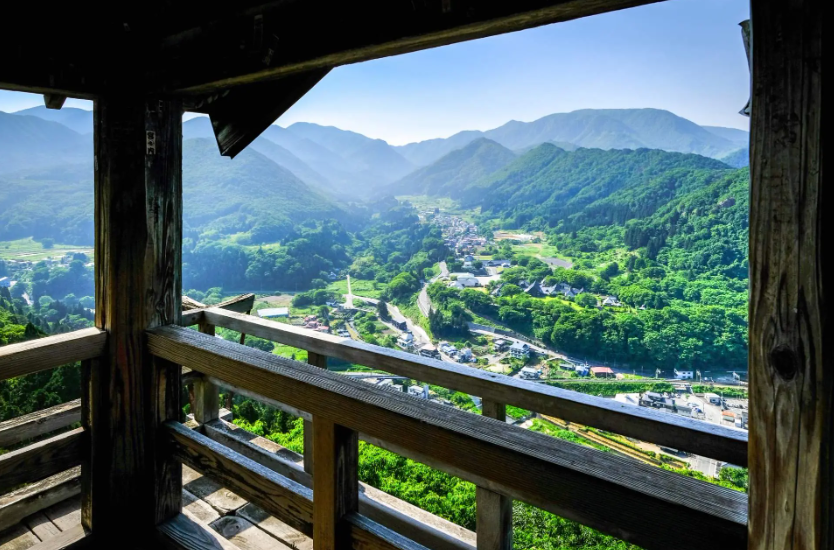
Summer is the perfect season to visit Yamadera Temple, where you can soothe yourself in the cool breeze and shade of the trees. Enjoy a stroll while recalling the haiku of Matsuo Basho.
The lush, tree-filled grounds of Yamadera Temple remain cool even in summer, making it an appealing summer retreat. Basho’s poem, “The silence, the summer voices permeating the rocks,” symbolizes this harmony between silence and nature.
・View from Godaido Hall: The blue summer sky and the green mountains create a spectacular view.
・Cicada Tomb, associated with Basho: Immerse yourself in the world of his haiku while listening to the sounds of cicadas.
・Okunoin: Refresh your mind and body in the cooler interior.
Summer is the season to feel the coolness amidst the silence of Yamadera Temple. This is a rare experience that allows you to experience Basho’s haiku for yourself.
5-3. Autumn leaves
reference:https://tenki.jp/kouyou/column/usagida/2021/10/14/30656.html
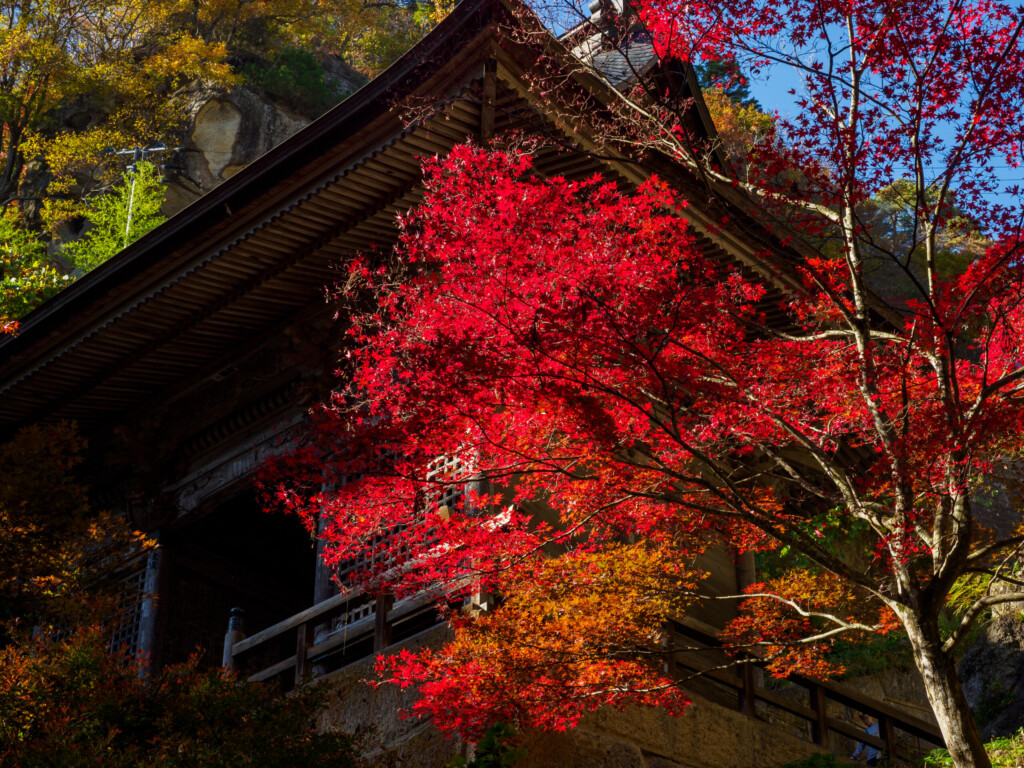
Yamadera Temple in autumn attracts many tourists as a spectacular scenic spot where the entire mountain is colored by the autumn leaves.
Autumn is an especially popular tourist season at Yamadera Temple, with highlights including the approach to the temple that passes through a tunnel of autumn leaves and the view from Godai-do Hall, dyed red and yellow.
・Approach and stone steps: The maple leaves change color in autumn, creating a dramatic scene.
・Stunning view from Godai-do Hall: The contrast between the autumn leaves and the blue sky is breathtaking.
・Autumn leaves illumination: At night, the autumn leaves are lit up, creating a fantastical atmosphere.
Autumn at Yamadera Temple is a time to enjoy leisurely sightseeing while taking in the beautiful scenery created by the autumn leaves and feeling the change of seasons.
5-4. Winter snow scene
reference:https://www.gltjp.com/ja/article/item/11108/
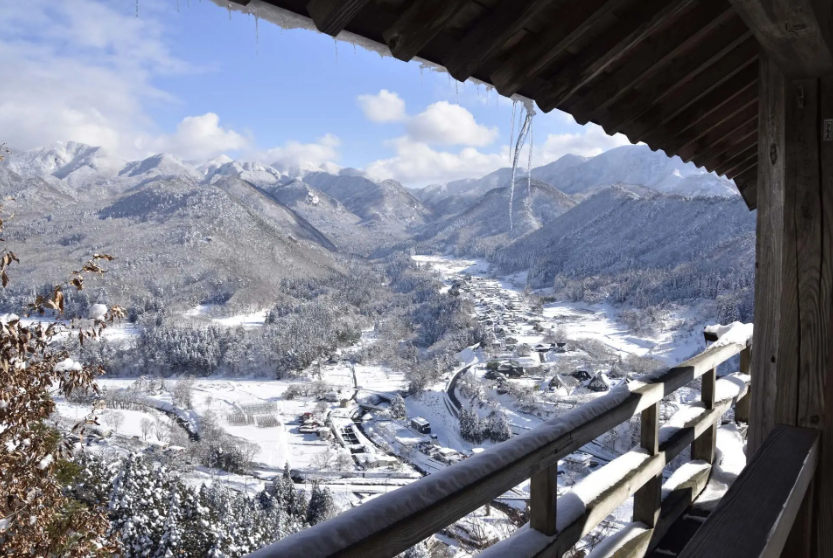
Yamadera in winter is a special tourist destination, soothing the soul with its tranquil, snow-covered scenery.
Covered in snow, Yamadera (Risshaku-ji) exudes a mystical atmosphere that cannot be experienced in any other season. The increased tranquility offers visitors a special experience.
- Konponchudo Hall and the snowy scenery: The snow piled up on the roof enhances the beauty of this historic building.
- Snow-covered approach to the temple: The experience of walking up the snow-covered stone steps is a charm unique to winter.
- Winter view from Godaido Hall: Enjoy a panoramic view of Yamagata city covered in snow.
Winter at Yamadera is a season when the silence and snowy scenery will deeply move you and allow you to enjoy the solemn atmosphere.
5-4. Winter snow scene
・Founder’s death
Date and Time: January 14th, 11:00 AM –
Location: Kaisan-do Hall
Participation Fee: Free
Event Details: Memorial service for the founder, Jikaku Daishi. Open the doors and worship the figure of the great master directly. (Open to the public)
- Great Prajna Prayer Service
Date and Time: January 17th, 1:00 PM –
Location: Konponchudo Hall
Participation Fee: ¥2,000 (Advance registration required)
Event Details: Recite the 600 volumes of the Great Prajnaparamita Sutra and offer prayers. Guests will be treated to servings of konnyaku balls.
- Setsubun Service
Date and Time: February 3rd, 2:00 PM –
Location: Risshakuji Temple Main Temple
Participation Fee: Free
Event Details: Recite the Heart Sutra 365 times and offer prayers.
Bell Tower Soot Sweeping and Mochi Offering Ceremony
Date and Time: 10:00 AM on December 30th every year
Location: Bell Tower and the plaza in front of the Sanmon Gate
Participation Fee: Free
Event Details: A thorough cleaning of the bell tower in preparation for New Year’s Eve. Mochi offerings will be made. (Open to the public)
New Year’s Eve Bell Ringing and Road of Light
Date and Time: 11:30 PM on December 31st every year
Location: Bell Tower in front of the Sanmon Gate
Participation Fee: Free
Event Details: Ring the bell on New Year’s Eve. Walk along the Road of Light in front of the temple gate to Okunoin. Natto soup and konnyaku balls will be served.
・Visiting the Seven Temple Principal Images
Date and Time: Each district’s principal image festival day
Location: Yamadera District
Participation Fee: Free
Event Organizer: Yamadera District Promotion Association
・Nighttime Nembutsu and Road of Light
Date and Time: From the evening of Tuesday, August 6th every year until the following day
Location: Mount Hojusan Precincts
Participation Fee: Free
Event Organizer: Special Event: Lighting the lanterns beside the stairs
6. A model plan for sightseeing in Yamadera
6-1. Day trip plan
A day trip to Yamadera (Risshakuji Temple) is a fulfilling itinerary that allows you to enjoy nature and history while also sampling local cuisine.
The best way to efficiently enjoy Yamadera and sightseeing is to focus on exploring Yamadera in the morning and then visit surrounding spots in the afternoon. The distances traveled are short, so it can be enjoyed without too much effort even on a day trip.
・Morning: Walk around Yamadera Temple and visit the Five Halls
The tour will take you from the approach to Yamadera Temple to the Konponchudo Hall and Godaido Hall. You can enjoy the history and nature while worshiping. The stone monument with Basho’s haiku that you will find along the way is a must-see for literature fans.
・Lunch: Local specialties “Yamagata soba” and “tama konnyaku”
At the soba restaurants and teahouses near the entrance to the shrine, you can try Yamagata’s specialties, “ita soba” (plate soba noodles) and “tama konnyaku” (ball konjac) on a skewer. The handmade soba noodles are especially delicious and popular with many tourists.
・Afternoon: Visiting nearby tourist spots
Learn about the history of the region at the Yamagata City Museum, and if you have time, enjoy a foot bath at nearby Zao Onsen. There are also walking trails around Yamadera where you can enjoy nature walks, making it a great place to spend a relaxing afternoon.
A day trip centered around Yamadera is less physically demanding and allows you to get the most out of a short trip.
6-2. 2-day, 1-night plan
This two-day, one-night plan, which includes a leisurely tour of Yamadera (Risshakuji Temple) and accommodation, is a luxurious itinerary that lets you fully enjoy Yamagata’s tourist attractions.
By visiting not only Yamadera but also Zao Onsen and tourist spots in Yamagata City, you can fully enjoy the charm of Yamagata as a whole. Spreading out the distances you travel allows for a relaxed trip.
・Day 1: Walk around Yamadera Temple and stay overnight at Zao Onsen
In the morning, enjoy a stroll around Yamadera Temple, taking in the history and nature, then enjoy local soba noodles and tama konnyaku (round jelly) for lunch. Afterwards, drive about 40 minutes to Zao Onsen, where you can soak in the sulfur springs at your accommodation to soothe your travel fatigue.
・Day 2: Touring the tourist spots in Yamagata City
In addition to visiting Bunshokan and Kajo Park in Yamagata City, we recommend enjoying a lunch of Yamagata’s specialty, imoni (simmered sweet potato). A stroll along the Risshakuji Nature Trail is also a perfect way to end your trip.
The two-day, one-night plan is the perfect luxurious itinerary for enjoying all that Yamagata has to offer, including Yamadera Temple.
7. Things to note when visiting Yamadera Temple and rest spots

reference:https://www.kiyokawaya.com/yamagata/44407/
7-1. What to wear and what to bring
When visiting Yamadera (Risshakuji), it’s important to wear appropriate clothing and bring appropriate accessories for the season and the conditions of the approach to the temple.
When visiting Yamadera, you’ll be walking along the approach to the temple, which has many ups and downs, including stone steps, so you’ll need to be able to move around easily and safely. You should also be aware of the temperature changes that are unique to mountainous terrain.
・clothing:Choose comfortable shoes (sneakers or trekking shoes) regardless of the season. Bring a light jacket in spring and autumn, and breathable clothing in summer. In winter, warm clothing is essential, and make sure to wear shoes with non-slip soles.
・What to bring:Drinks to stay hydrated are essential. Bring plenty, especially in the summer, to prevent heatstroke. Light snacks and towels are also useful. A folding umbrella and raincoat are also useful in case of rain.
・Points to note:If you are carrying a camera or smartphone, try to keep your luggage to a minimum to avoid falling on the stone steps.
To enjoy Yamadera and sightseeing comfortably, it is important to prepare appropriate clothing and belongings and be prepared to deal with unexpected situations.
7-2. Manners
When enjoying sightseeing at Yamadera (Risshakuji Temple), it is important to be considerate of other worshippers and the natural environment.
Yamadera is a religious facility and a place of great cultural value. Therefore, observing good manners will increase the satisfaction of all visitors.
・Manners when visiting shrines:Please refrain from talking loudly or running within the temple grounds. Also, when taking photographs, please be considerate to other worshippers.
・Taking your trash home:There are few trash cans on the temple grounds, so please take any trash you produce with you. This is also an important action to protect the natural environment.
・Caution on stone steps:When stopping on the stone steps, please be careful not to block the passage of others.
When enjoying Yamadera Temple and sightseeing, observing proper etiquette will ensure that you and those around you have a pleasant time.
7-3. About rest spots
・Distance from trailhead: Starting from the trailhead at Yamadera Temple, the first rest area is about 15 minutes up the mountain after passing through the Niomon Gate. At this point, climbers have a place to take a breather.
・Cicada mound: Further along, you’ll come across the Semizuka, a mound associated with Matsuo Basho. This is also a great place to rest, and is a good place to stop off while climbing the stone steps. It’s located about 30 minutes from the trailhead.
・Mida Cave: Along the way, there is a large rock formation called “Mida Cave,” which is also a good place to rest. This point is located about 40 minutes up from the trailhead. There is a carving of the figure of Amida Buddha, so you can stop by and do some sightseeing.
・Other rest areas: The trail is dotted with benches and rest areas, and there are several rest points, especially midway up the stone steps, which are provided for climbers to use when they get tired.
8. Summary: Yamadera (Risshakuji) is the perfect tourist spot for refreshing yourself
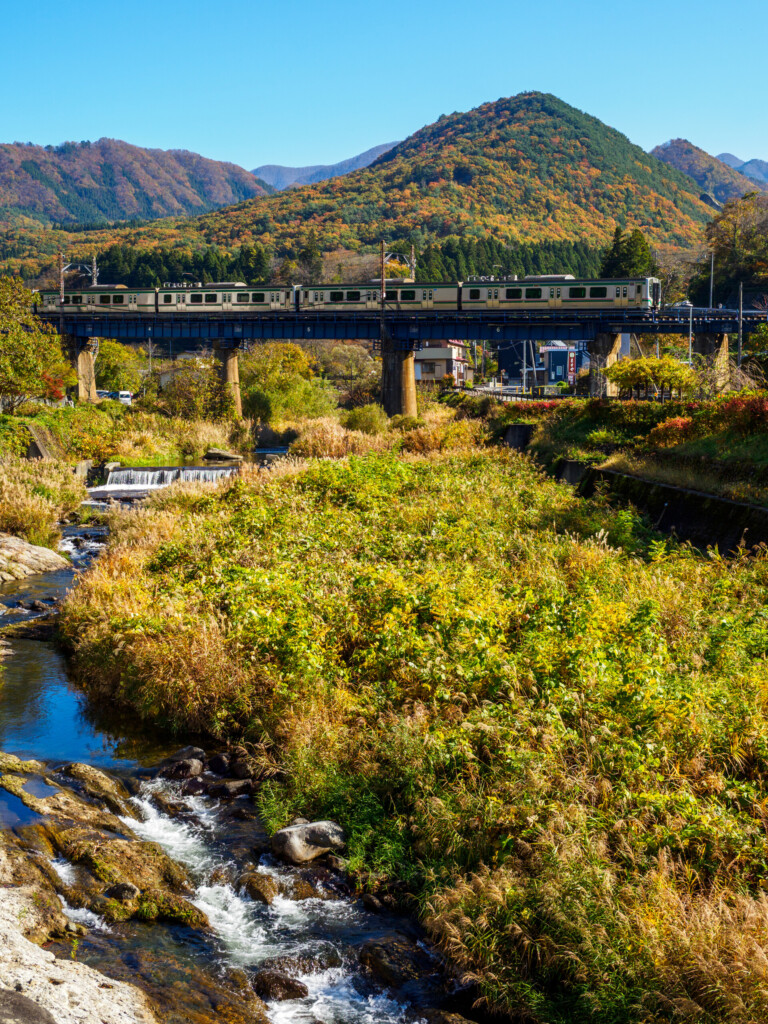
Yamadera (Risshakuji Temple) is a perfect tourist destination for a refreshing experience, combining historical background, natural beauty, and tranquility to soothe the body and mind. Founded in the Heian period, Risshakuji Temple is a place where you can experience traditional Japanese culture and religious value. Visitors are deeply moved by the natural beauty of the four seasons and literary elements such as Matsuo Basho’s poem, “The silence and the voice of summer permeating the rocks.” Furthermore, the views of the approach and Godaido Hall are soul-cleansing and offer an extraordinary experience.
・The charm of history and culture:The Honpo Hall and Godaido Hall of Risshakuji Temple are of great historical value, and there is something new to discover every time you visit.
・Healing from nature:You can enjoy different views depending on the season you visit, such as the fresh greenery of spring, the autumn leaves, and the snowy scenery of winter.
・Good access:It is easily accessible from Yamagata City and is suitable for day trips or overnight stays. In particular, combining it with Zao Onsen and surrounding tourist spots makes for a fulfilling travel plan.
Yamadera and sightseeing are the perfect combination for those who want to escape from everyday life and refresh their mind. Why not spend some time out of the ordinary at Yamadera (Risshakuji), where you can experience history, culture, and nature all at once?
筆者:takahashi naoya
このカテゴリの新着記事