


[Yamagata Tourism] Enjoy a relaxing trekking trip for seniors at the Five-Story Pagoda of Mt. Haguro | A tranquil retreat that has transcended 600 years of time | Promote your health while experiencing history
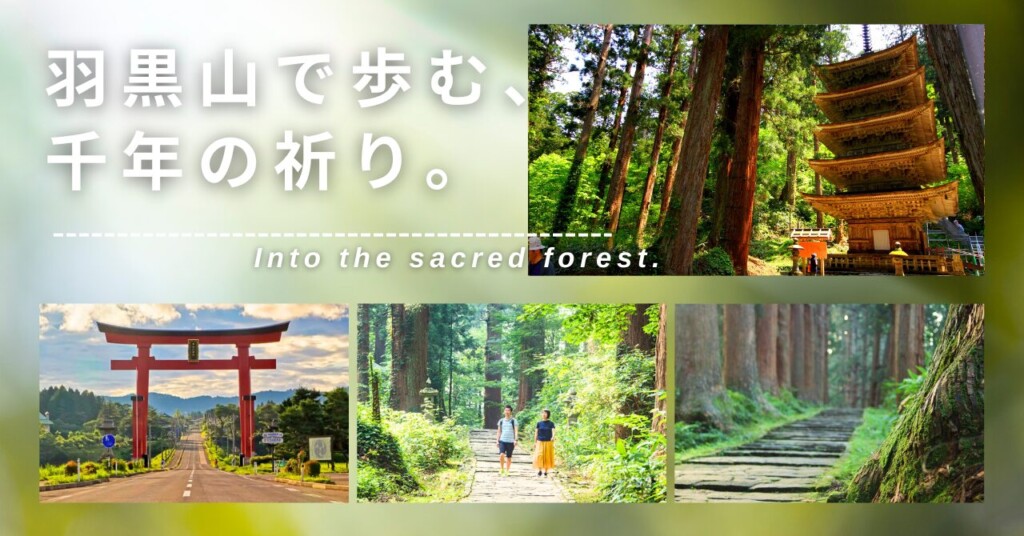
Enjoy a special time surrounded by nature and history on a hiking trip to the national treasures and the five-story pagoda of Mount Haguro. Refresh your mind and body with a gentle trek up the 2,446 stone steps. Spectacular views that change with the seasons and a silence that has transcended 600 years of time await you.
1. The appeal of visiting Mount Haguro’s five-story pagoda

reference:https://www.tsuruokakanko.com/spot/256
1-1.A place where history and nature come together: The charm of Mount Haguro
Mount Haguro, one of the Dewa Sanzan mountains, is a veritable “sacred place of the heart” where abundant nature and a deep history of religious faith intersect.
Its appeal lies in its status as a sacred mountain surrounded by nature, its more than 1,000-year history of Shugendo (mountain asceticism), and the majestic atmosphere created by the National Treasure, the Mount Haguro Five-Story Pagoda. The Dewa Sanzan mountains are Mount Haguro, Mount Gassan, and Mount Yudono, and are revered as symbols of life, death, and rebirth.
Mount Haguro is lined with approximately 1.7 km of cedar trees, some 300 to 500 years old and designated as a National Special Natural Monument, enveloping walkers in the silence and sacred atmosphere of the forest. The Mount Haguro Five-Story Pagoda, which stands along this approach, is said to have been built by Taira no Masakado; the current tower was rebuilt during the Muromachi period. The tower was built using “timber-frame construction” (a traditional technique of carving and fitting pieces of wood together) without the use of any nails, and the more you look at it, the more you will be impressed by its delicacy and grandeur.
As of 2025, there is also a campaign underway to have Mount Haguro registered as a World Heritage Site as a “National Treasure and Shugendo Trail,” and it is set to become a place that will attract even more attention in the future.
Mount Haguro is a place with a unique presence both historically and in terms of its natural environment, and it offers deep healing to the mind and body of those who visit.
1-2. Why Travel for those over 60 is perfect
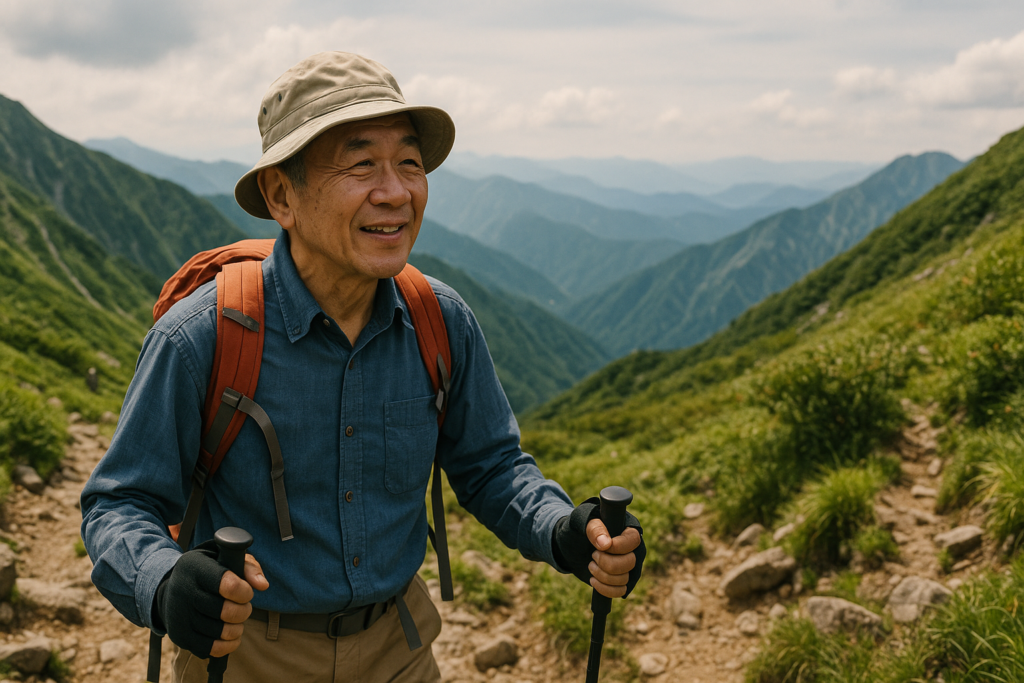
Mount Haguro offers a “just right” adventure for those in their 60s and older who want to enrich their lives after retirement, without straining the body or mind.
Mount Haguro is more like a “historical stroll” than a “mountain climb.” The gentle stone steps and tranquil natural surroundings provide a pleasant challenge for regular walkers. While the 2,446 steps may seem like a strenuous climb, there are benches and rest areas along the way, and you can even turn back at the five-story pagoda.
The five-story pagoda is about a 15-20 minute walk from Zuishinmon Gate. The elevation change is relatively gentle, making it easy for those who regularly take walks. Additionally, walking surrounded by the sounds of nature will refresh your mind and help maintain cardiopulmonary function and muscle strength.
The sense of accomplishment and tranquility you feel when standing in front of the pagoda are particularly noteworthy. In an environment with almost no artificial sounds, the sounds of leaves rustling in the wind, birdsong, and the wooden scent of the five-story pagoda seem to seep deep into your body.
For people in their 60s and older who want to hone both their health and their sensibilities, Mt. Haguro is a valuable place to take a “journey to rejuvenate yourself.”
1-3.What this article covers
This article provides a comprehensive explanation of the historical background of Mount Haguro’s Five-Story Pagoda, how to walk the approach to the temple, nearby attractions, and how to access it.
For first-time visitors to Mount Haguro or those planning a trip with seniors, it’s important to know in advance what you can see, how far you’ll walk, and which seasons are best. Accurate information is essential for a comfortable and safe trip.
This article covers the following:
- The history and architectural highlights of the National Treasure Mount Haguro Five-Story Pagoda
- The route and travel time for the stone steps from Zuishinmon Gate to the Pagoda
- Seasonal changes in nature and the best time to visit
- Access by car or bus, and parking information
- Introductions to nearby teahouses, sightseeing spots, and temple lodgings
- Advice on what to wear and what to pack
- Anecdotes and trivia for history buffs
We hope this article will help readers prepare for their trip to Mount Haguro more safely and enjoyably.
2.Enjoy Mt. Haguro on foot | Highlights of the approach and five-story pagoda

reference:https://tabizine.jp/2019/09/05/284810/
2-1.Stone steps leading to the five-story pagoda: a gentle climb of 2,446 steps
The approach to Mt. Haguro is a “path of faith” where you can experience history and nature firsthand by walking up its 2,446 stone steps, an experience that provides a pleasant stimulation to the body and mind.
The stone steps were built during the Edo period and are still popular today with many worshippers and mountain climbing enthusiasts. The steps are relatively low and well maintained, making it a comfortable distance for those who regularly walk or hike.
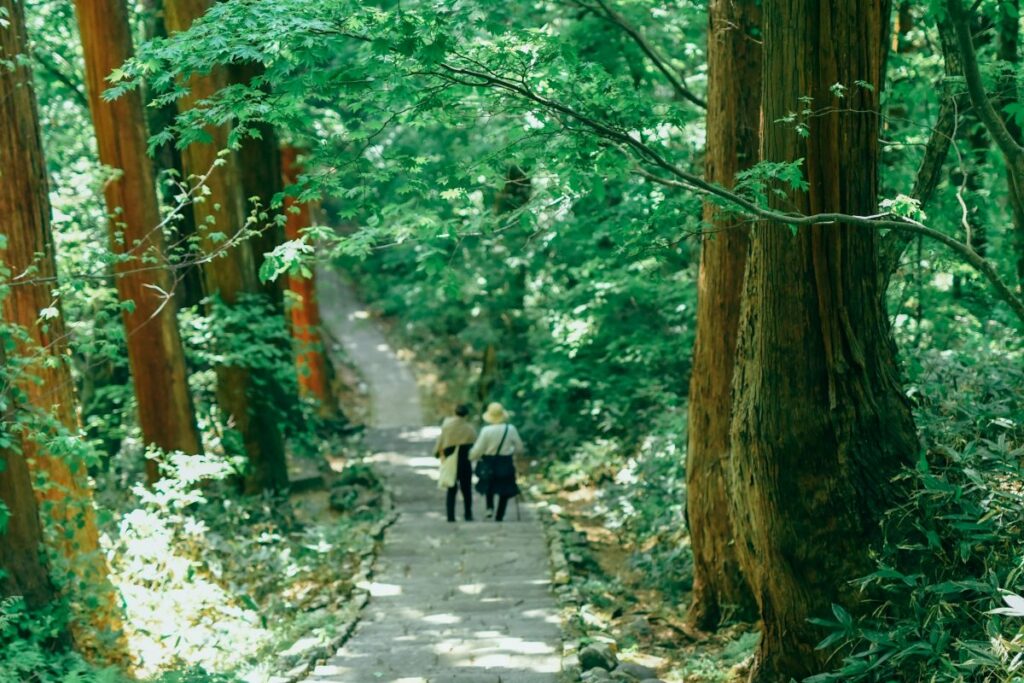
As soon as you pass through the starting point, Zuishinmon Gate, you’ll find yourself on the cedar-lined approach to the shrine. Huge cedar trees, 300 to 500 years old and designated as Special Natural Monuments, tower on both sides, creating the feeling of walking through a “tunnel through time and space.”
The clear stream Haraigawa flows along the approach, and there is also a small waterfall called Suganotaki, where you can walk at a leisurely pace while being soothed by the sounds of nature.
Along the way, you’ll come across the sacred tree “Jijisugi” (Grandpa Cedar), said to be over 1,000 years old. It stands approximately 33 meters tall and has a trunk circumference of approximately 7 meters. Many people pray to this cedar, indicating the deep devotion it harbors.
Although these stone steps are a historic “mountain approach,” they are also a comfortable, easy climb that can be enjoyed safely by people over 60. The beautiful scenery and majestic atmosphere will cleanse your soul with every step.
2-2.Cedar trees and power spots

reference:https://kazekaol.exblog.jp/27299440/
The cedar avenues of Mt. Haguro are more than just a forest; they are a special space that bestows a quiet power upon visitors.
In Shinto and Shugendo, cedars are considered “trees where gods reside,” and the approach to Mt. Haguro is surrounded by such sacred trees. Many pilgrims walk this path to purify their souls, escaping the hustle and bustle of everyday life and sharpening their senses.
The ancient trees, known as “thousand-year-old cedars,” exude a powerful presence just by standing before them, and the forest bathing effect is outstanding. Forest bathing is a natural therapy that utilizes chemicals called phytoncides, which are released by plants, to relax and boost the immune system.
The Mt. Haguro area is also known as a spiritual spot, attracting those seeking peace of mind and those wishing to “start something new” to gain energy.
It’s not just a walk; the time spent walking through the cedar avenues is itself an experience of healing and regeneration. This is the perfect walking route for nature lovers.
2-3.A good place to get a good look at the five-story pagoda

reference:https://tochiginojinja.shiraberu-kuraberu.com/utsunomiya-hagurosan-jinja/
The exterior of Mount Haguro’s Five-Story Pagoda is impressive enough on its own, but by carefully examining the details, you can experience a deeper sense of history and aesthetic sensibility.
The pagoda was built using a technique called “shiraki-zukuri,” which allows its exterior to showcase the natural beauty of the wood. The shingled roof is finished with thin wooden planks, achieving both durability and beauty. Furthermore, the “shinbashira” (core pillar) that runs through the center of the structure extends deep underground, making it earthquake-resistant.
When viewed from the front of the pagoda, the overlapping roofs of each floor and the intricate timber structure are clearly visible. The kumimono (jointed wooden pieces) arranged on all four sides are a highlight of the pagoda’s architectural beauty. Morning to early afternoon is particularly recommended for photography, as the lighting dramatically accentuates the shadows cast by the wood.
Additionally, the interior of the pagoda has been open to the public on special occasions in the past, attracting attention for its central pillar, Buddhist statues, and intricate structure (as of 2025, it is normally closed to the public).
The five-story pagoda is not just an “old building,” but a “living cultural asset” filled with history, technology, and faith. The more you look, the more new you will discover, so be sure to take your time and enjoy it.
3. Choose a route and prepare accordingly based on your physical strength

reference:https://ziplock.info/e/1666/
3-1.Choosing a route that is safe for the elderly
Mt. Haguro offers multiple routes to choose from, tailored to your physical strength and health, making it a fun and enjoyable experience for people in their 60s and older.
Compared to mountain climbing or long-distance hikes, the path to Mt. Haguro’s five-story pagoda is mainly gentle stone steps. There are 2,446 steps in total, but if you set the pagoda as your destination, you can experience nature and history in just 15 to 20 minutes of walking.
The route starting from Zuishinmon Gate and heading towards the pagoda is a single path surrounded by cedar trees.
There are wooden benches and rest spots along the way, making it an ideal environment for walking at your own pace.
Alternatively, for those who want to challenge themselves to reach the Sanjin Gosaiden shrine at the summit, there is also a route that allows you to drive near the peak using the Mt. Haguro Toll Road (toll fee 400 yen) and then walk up a gentle slope from there. This option allows you to enjoy the atmosphere at the summit even if you can’t complete the entire route.
Depending on your physical strength, you can either just aim for the five-story pagoda at a leisurely pace or extend your journey to the summit. Mt. Haguro is designed for easy walking.のが嬉しいポイントです。
3-2.Preparation before walking: What to bring, what to wear, and things to be aware of

Simple yet appropriate preparations are essential to enjoy Mt. Haguro safely and comfortably.
While the approach to the mountain is well-maintained, the stone steps can be slippery and steep in places. Additionally, mountain weather is unpredictable, and it can get particularly chilly in the mornings and evenings of early spring and autumn. Therefore, it’s important to be mindful of your clothing and equipment.
The following is a list of recommended items and attire for those aged 60 and older hiking Mt. Haguro:
Footwear: Cushioned, non-slip walking shoes or lightweight hiking boots
Clothing: Breathable, windproof outerwear, long pants that are easy to move in, and a hat
Items to bring: Hydration drinks, a towel, insect repellent, and a simple raincoat
Traveling aids: Trekking poles (effective for reducing knee strain when descending the stone steps)
If using a smartphone, please note that some areas around Mt. Haguro are out of range, so we recommend using a paper map or checking the route in advance.
Small changes in equipment can make a big difference in safety and comfort. Be sure to prepare well in advance and spend time interacting with your body and nature.
3-3.Access by car or bus
Mount Haguro is accessible by car or public transportation, making it a senior-friendly tourist destination.
Starting from JR Tsuruoka Station, Shonai Kotsu buses offer direct access to the trailhead and summit of Mount Haguro. Traveling by car also allows for less luggage and more time for rest and relaxation.
By bus: Take the “Mt. Haguro Summit Bus” (approximately 50 minutes) from JR Tsuruoka Station. Get off at the last stop for immediate access to the shrine at the summit.
(Note: Service may be reduced or suspended during the winter, so please check in advance.)
By car: From Tsuruoka City, take the Mount Haguro Toll Road for approximately 40-50 minutes to the summit parking lot.
From there, it’s a 5-minute walk to the Sanshingoshaden Shrine.
Free parking is also available near the Zuishinmon Gate.
You can also take a taxi: The fare from the station to Mount Haguro Zuishinmon Gate is around 5,000 yen (as of 2025), and it can be cheaper if you are traveling with a group.
There are many transportation options, so it’s perfect for any style of travel.
4. Seasonal ways to enjoy the area and surrounding information
4-1.Mount Haguro in all four seasons
Mount Haguro is a tourist destination where you can enjoy its beauty in every season, and you’ll experience different experiences depending on the time of year you visit.
The climate of the Shonai region of Yamagata Prefecture is characterized by four distinct seasons, and at Mount Haguro, these natural changes are beautifully reflected in the approach to the temple, the five-story pagoda, and the rows of cedar trees. As there are ways to enjoy a trip that suit each season, it’s recommended for repeat visitors as well.
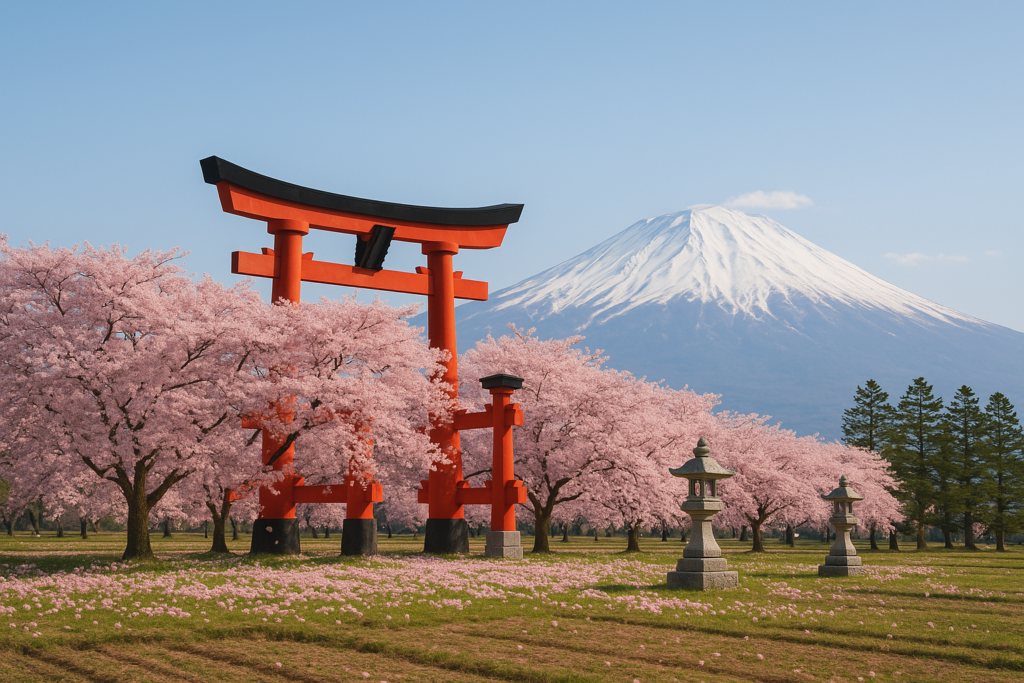
- Spring (April to May):
As the snow melts, the greenery of the cedar trees comes back to life, sparkling with new greenery. The air is still clear, and the temperature is just right for walking. The number of tourists begins to increase around Golden Week.
- Summer (June to August):
The forest is as cool as a natural air conditioner. The perceived temperature is 2-3°C lower than in the scorching heat of the city, making it the perfect place to escape the heat. Forest bathing, surrounded by the sounds of cicadas and sunlight filtering through the trees, has an especially soothing effect.

reference:https://mokkedano.net/event/41795
- Autumn (October to early November):
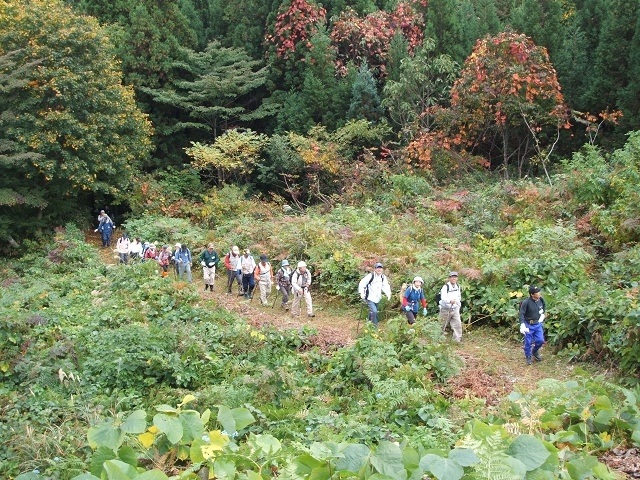
The leaves begin to change color, and the stone steps are painted in a gradation of red, yellow, and orange. The contrast with the green of the cedar trees is beautiful, making this a perfect season for photography lovers. The crowds are relatively calm, so it’s recommended for those who want to take a quiet stroll.

reference:https://note.com/yota_nakamura/n/nb735f0029a48
- Winter (December to March):
A “world of white” with a blanket of snow spreading out before you. However, because the stone steps can become slippery with snow and ice, it is safer to access the summit by car in winter and refrain from viewing the area around the five-story pagoda. As of 2025, some of the stone steps may still be closed to traffic during the winter.

reference:https://travel.rakuten.co.jp/mytrip/howto/dewasanzan-zekkei
Mt. Haguro, which can be enjoyed in all four seasons, is a place that will give you new discoveries and healing no matter how many times you visit. Spring and autumn are especially the best seasons for a walking trip.シーズンです。
4-2.Nearby sightseeing and dining spots
After visiting or strolling around Mount Haguro, your trip will be even more enriching if you stop by Tsuruoka’s fascinating tourist spots and spots where you can enjoy local cuisine.
Tsuruoka City has a history of thriving as a castle town, and is full of appealing culture and cuisine. The area around Mount Haguro is dotted with historical buildings and restaurants where you can enjoy specialty dishes made with local ingredients.
- Ideha Cultural Memorial Hall (at the foot of Mt. Haguro)
This facility allows you to learn about the Shugendo culture of Mt. Haguro and the Dewa Sanzan mountains. You can gain a deeper understanding of the history behind Mt. Haguro, including the syncretism of Shinto and Buddhism and the training of mountain ascetics. - Buddhist cuisine “Saikan”
At a traditional restaurant near the summit, you can enjoy vegetarian cuisine made without meat or fish, using wild vegetables and beans. You can also experience “purifying your mind through food” during your trip. - Shonai Tourist and Product Center (Roadside station-like facility)
It’s also a great place to pick up souvenirs, such as local pickles, Dadacha beans, and crafts made from the cedar of Mount Haguro. - Kamo Aquarium (Jellyfish Dream Hall)
About 30 minutes away by car is the aquarium with the world’s largest number of jellyfish exhibits. Its mystical space will resonate with your senses after enjoying nature and silence.
This plan combines not only Mount Haguro but also the surrounding cultural facilities and local cuisine, making for a day trip that will satisfy both the body and mind.
4-3.If you’re considering staying
When visiting Mount Haguro, considering staying overnight will allow you to immerse yourself more deeply in its nature and history.
While it’s close enough to be reached on a day trip, the quiet of the mornings and the twilight of the evenings as you stroll along the approach path are special perks that can only be had by staying overnight. Staying at a temple lodging or historic inn is particularly special as it allows you to feel the spiritual energy of Mount Haguro firsthand.
- Mount Haguro Temple Lodging District
This is a corner of the area where more than a dozen lodgings have been built since the Edo period. They still accept guests from the general public, and offer a slightly different experience than regular lodgings, with vegetarian cuisine, sutra copying experiences, and morning worship. - Dewa Sanzan Shrine related accommodations
As they are run by public organizations, they offer a quiet and peaceful environment, and some facilities even have barrier-free rooms. - Hot spring inns and ryokans in Tsuruoka City
Within a 30-40 minute drive, there are several accommodations where you can enjoy hot springs and local cuisine. Yutagawa Onsen and Yunohama Onsen are particularly well-known as historic hot springs.
Staying overnight allows you to fully appreciate the atmosphere of Mt. Haguro and gives you time to quietly reflect on yourself. This is especially recommended for those who want to travel slowly and carefully.
5. Summary | A trip to Mt. Haguro for people in their 60s to heal their mind and body
5-1.The richness of a walking journey surrounded by nature and history
reference:https://yamagatakanko.com/attractions/detail_22.html
A trip to Mount Haguro is more than just sightseeing; it’s a time-travel experience for adults, where you can experience harmony between body and mind.
The tranquility of nature and the five-story pagoda and approach to the shrine, where over 600 years of history still lingers. As you climb the stone steps, step by step, you can absorb the local atmosphere, culture, and prayers, resulting in a unique, gentle awakening. This is a type of travel that is ideal for those in their 60s and older who want to unwind and cherish their inner space.
Walk the stone steps surrounded by cedar trees. Take your time to gaze upon the towering five-story pagoda, a National Treasure. Breathe in the seasonal air. And sip a cup of tea at a teahouse, feeling the fulfillment of your walk permeating your soul.
Each of these experiences will create rich travel memories, perfect for the second half of your life.
Mount Haguro offers a sense of satisfaction that can only be found by walking amidst nature and history.
Now is the time to experience the joy of walking and the power to feel, so be sure to take this journey.
5-2.Experience the “space in life” through “easy trekking”
参考:https://www.yutagawaonsen.com/news/hagurosan/
Mount Haguro is the perfect place for easy trekking that is gentle on the body and deeply resonates with the soul.
The distance and gradient are just right—not too steep, not too easy. And above all, the process of walking itself is enjoyable. That is the charm of Mount Haguro. As you walk, your senses are sharpened, and your attention is drawn to seasonal scents, the rustling of the trees, small shrines and stone Buddhas that you may have previously overlooked.
For those who walk daily, Mount Haguro’s 2,446 steps are both a challenge and a joyful extension of your daily routine. Furthermore, a visit to the Sanshingoshaden Shrine at the summit or the historical facilities at the base will provide cultural stimulation and fulfillment.
Now, especially since we are freed from busy schedules, a easy trekking trip that can be enjoyed at your own pace may lead to a new hobby or new enjoyment in life.
Mount Haguro is a quiet and powerful place that enriches such “space in life.”
▶reference
Dewa Sanzan Shrine Official Website
Yamagata Prefecture Tourism Site: Travel to Yamagata
Tsuruoka City Tourism Federation Official Page (Mt. Haguro Five-Story Pagoda)
Dewa Sanzan Shrine Official Website (Mt. Haguro)
National Treasure: Mt. Haguro Five-Story Pagoda Special Opening 2019
Dewa Sanzan Shrine Official Website: Access Information
Shonai Kotsu Bus Timetable (Towards Mt. Haguro)
Shonai Kotsu Bus Route Information (To Mt. Haguro)
Dewa Sanzan Shrine Access Page
Travel to Yamagata | Mt. Haguro Tourism Information
Ideha Cultural Memorial Hall
Kamo Aquarium
Haguro Town Tourism Association: Temple Lodging Information
Yunohama Onsen Ryokan Association
このカテゴリの新着記事